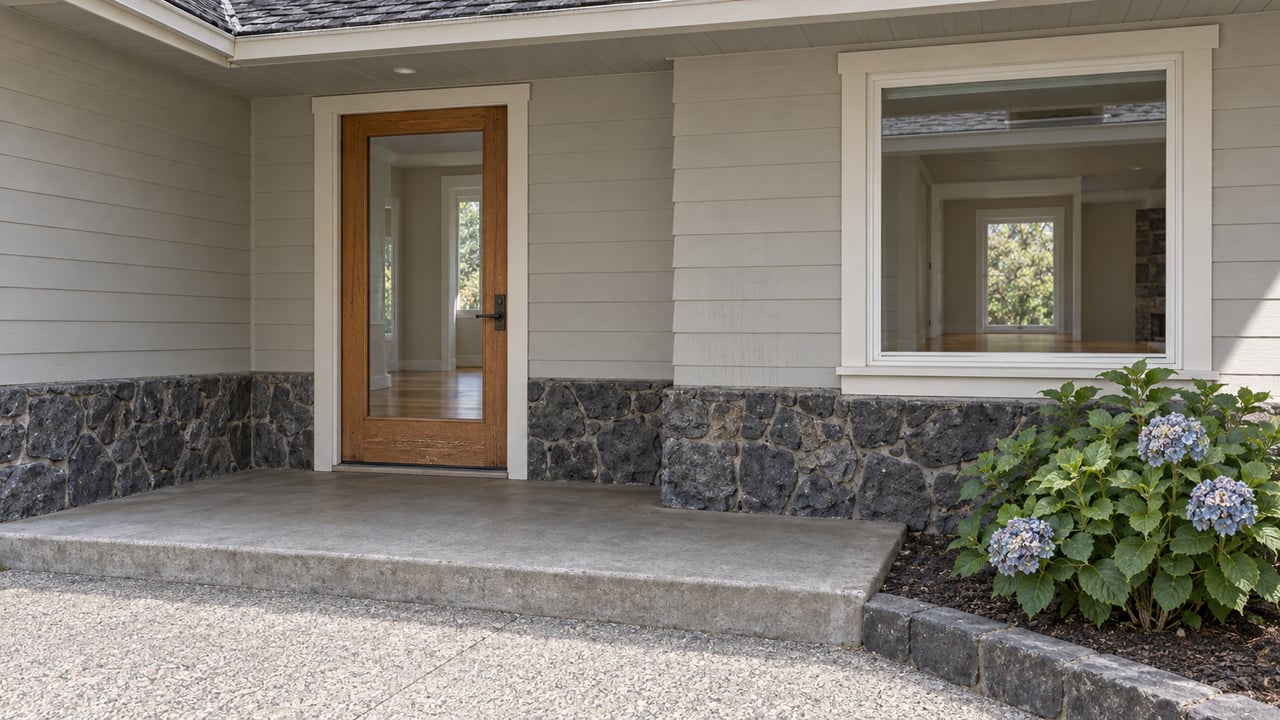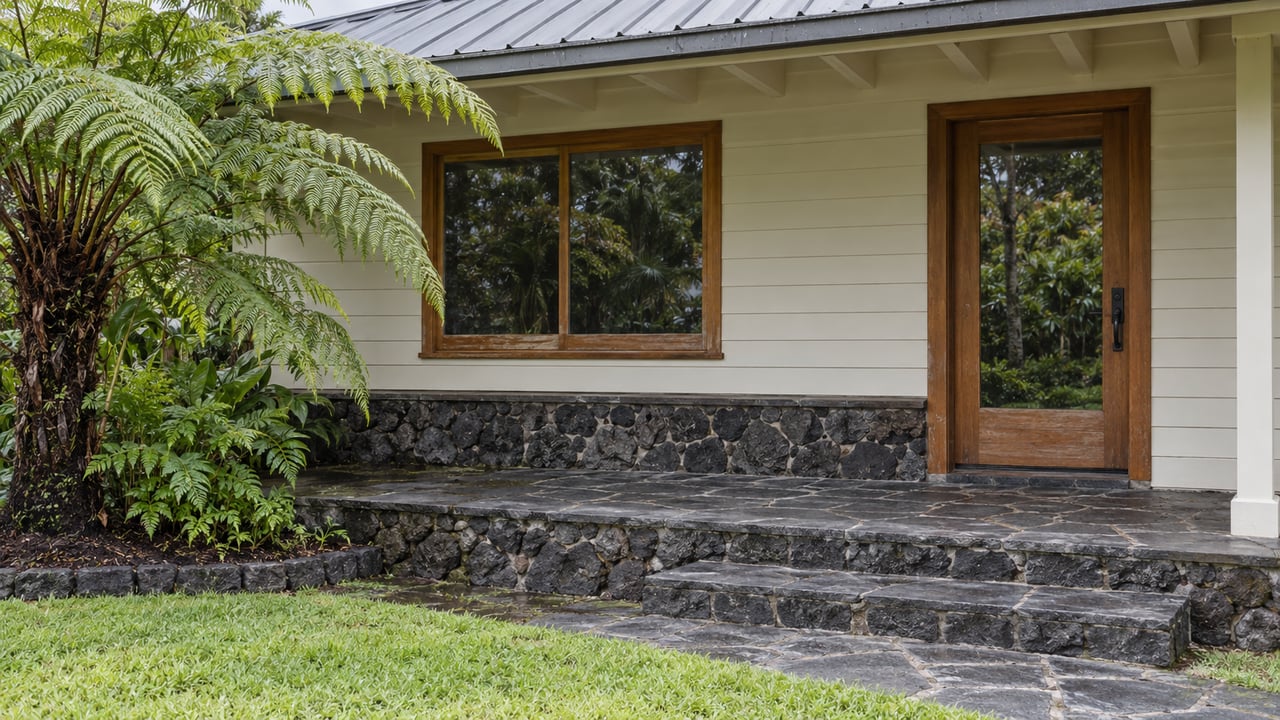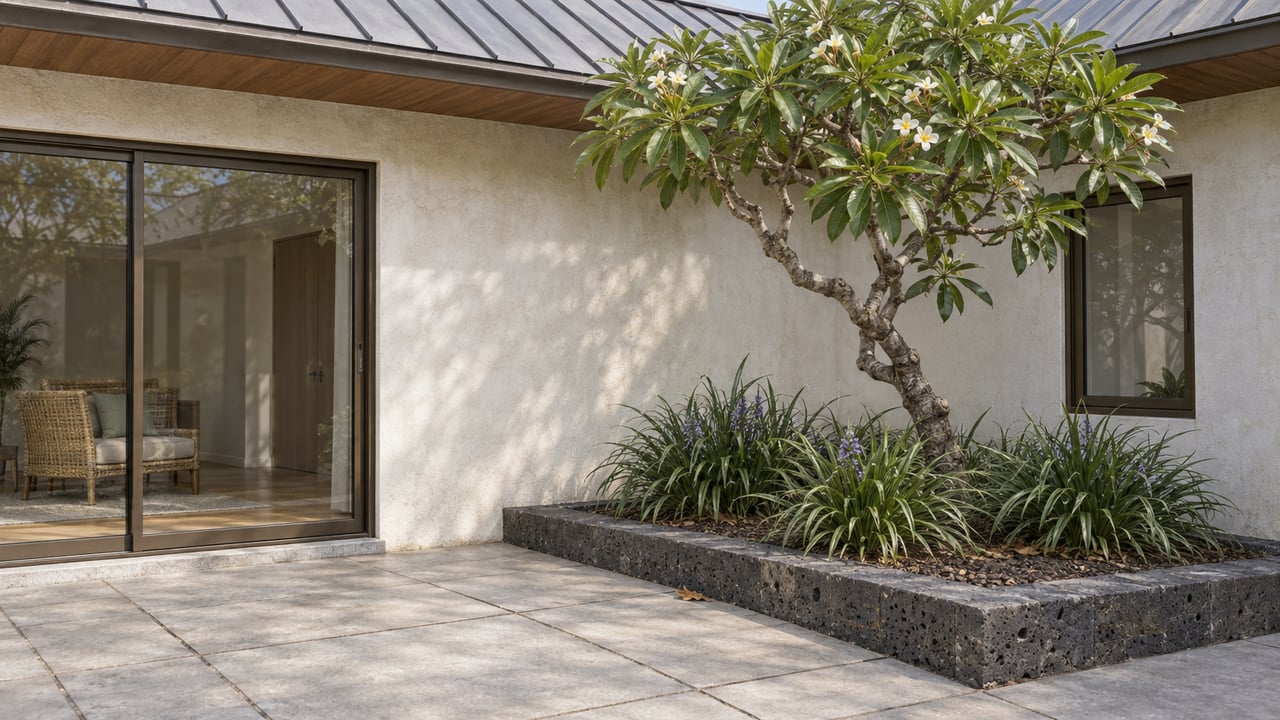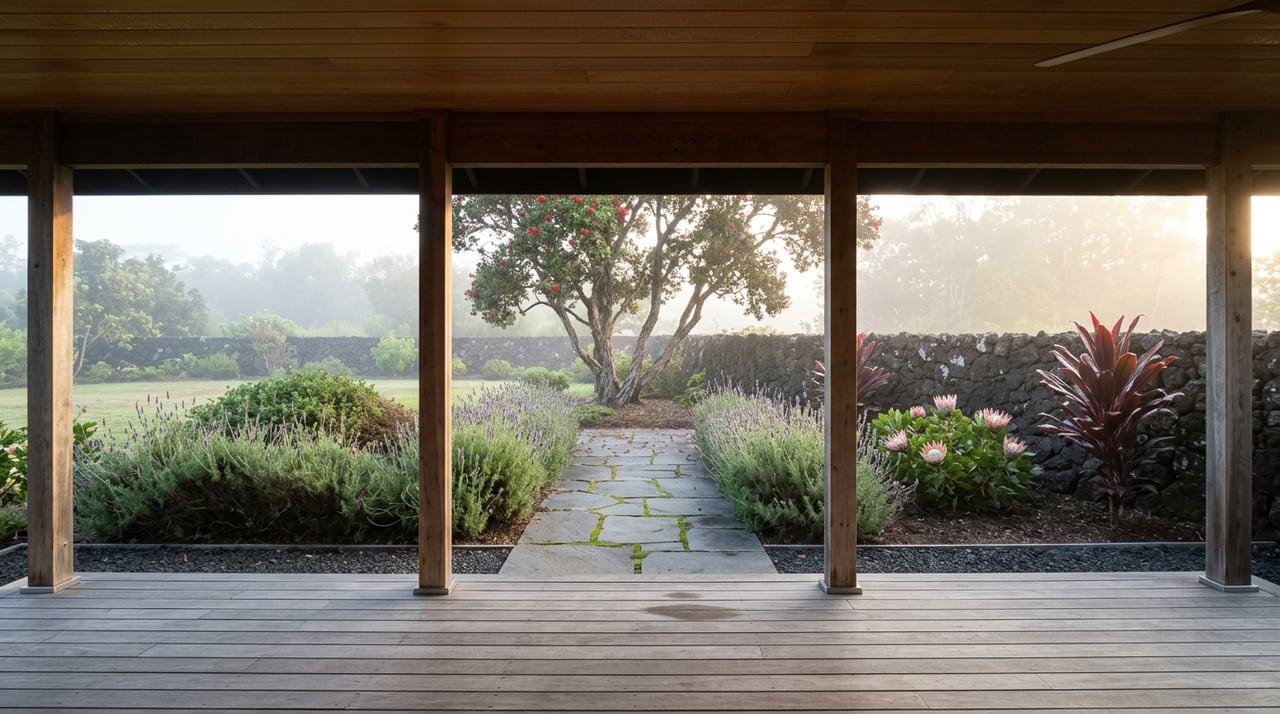
Are you thinking about trading a coast-centered Maui routine for cooler air, open land, and a quieter daily pace? Kula offers a very different kind of island living, and that difference is exactly what draws many newcomers in. If you are considering a move upcountry, it helps to know what daily life really feels like, from climate and commute times to water and property patterns. Let’s dive in.
Kula Feels Different by Design
Kula is not a dense town with everything packed into a few blocks. It is a Maui census-designated place with 6,942 residents spread across 34.54 square miles, which works out to about 201 people per square mile. That lower-density pattern is a big part of what gives Kula its open, uncrowded feel.
The Maui County community plan describes the broader Makawao-Pukalani-Kula region as stretching from 600 to 10,000 feet in elevation along the slopes of Haleakalā. It also notes that Upcountry is known for open space, rural character, and close-knit communities. In Kula specifically, the area is described as a mix of rural and agricultural uses, with settlement more concentrated at Waiakoa.
For you as a newcomer, that means Kula often feels more like a lifestyle choice than a simple change of address. You are choosing space, scenery, and a slower rhythm that is shaped by the land itself.
Cooler Weather Is Part of the Appeal
One of the first things many newcomers notice about Kula is the temperature. Maui County describes Kula as having a cool and relatively dry climate, which has helped make the area well suited to agriculture. That cooler upcountry feel is one of the clearest differences from many coastal parts of Maui.
A helpful local data point comes from the University of Hawaiʻi CTAHR agricultural station at Kula Agricultural Park. At 1,400 feet in elevation, the station reports about 25 inches of annual rainfall, with average minimum and maximum temperatures of 61°F and 81°F. While conditions vary by exact elevation and parcel, those figures give you a practical picture of the climate many buyers have in mind when they picture Upcountry living.
If you love fresh air and a little relief from hotter coastal afternoons, Kula may feel like a natural fit. The weather is one reason people fall in love with the area, especially if they want Maui living with a more upland feel.
Open Space Shapes the Lifestyle
Kula’s landscape is closely tied to agriculture and rural land use. The county plan says the area’s exceptional soil and climate helped make it the center of Maui’s diversified agriculture. That history still matters today because it influences both the scenery and the way neighborhoods are laid out.
Maui County also describes the country atmosphere in this region as a low-density mix of residences, ranches, open spaces, greenways, plantings, and cultivated lands. In some rural Kula areas, planning examples included one-acre lots with one house per lot, while other rural parcels were planned for one-half-acre lots. That does not describe every property, but it does show the general development pattern newcomers should expect.
In practical terms, you may find more land between homes, more room for gardens, and a stronger connection to the natural setting. If your idea of home includes privacy, views, and breathing room, Kula offers a version of Maui that feels distinct from more built-up areas.
Agriculture Is Still Part of Daily Life
Kula is not just visually rural. Agriculture remains an important part of the area’s identity. Maui County says agriculture is deeply rooted in Maui’s history and still matters to the economy, environment, and way of life.
A good example is Kula Agricultural Park, where Maui County has 31 farm lots ranging from 10 to 30 acres across 445 acres and supports 26 farmers. Crops grown there include Kula onions, vegetables, nursery products, flowers, bananas, and dryland taro. That does not define every neighborhood in Kula, but it helps explain why the area keeps a farm-forward character.
For newcomers, this can be part of the charm. You are moving into a place where working land, open views, and residential living often exist side by side.
Expect to Drive for Daily Errands
Kula living often comes with a tradeoff. You gain space and a quieter setting, but you usually give up some day-to-day convenience that comes with denser communities. Maui County identifies Pukalani as the region’s geographic, public-service, and commercial hub, which helps explain why many Kula residents rely on nearby Upcountry centers for errands and services.
The U.S. Census also reports a mean travel time to work of 29.5 minutes for Kula. While every routine is different, that number supports the idea that driving is a regular part of daily life here. Convenience in Kula is often measured by drive time rather than walkability.
That is not necessarily a drawback if you are prepared for it. Many buyers see it as part of the Upcountry lifestyle, where the reward for a little extra driving is more space, more privacy, and a calmer home environment.
Schools and Routines Are Upcountry-Centered
If you are planning a move with school-aged children, it helps to understand how daily routines are organized in this part of Maui. The Hawaiʻi Department of Education lists Kula Elementary at 5000 Kula Highway, serving pre-K through 5th grade. King Kekaulike High is located nearby in Pukalani at 121 Kula Highway.
These locations reinforce an important point about Kula living. Even if your home is in a quieter rural setting, your everyday routine may still connect you to nearby Upcountry areas for school, activities, services, and commuting.
That can be a positive if you want a residential setting without feeling isolated. Kula often offers that balance, with a quieter home base and access to neighboring Upcountry hubs when you need them.
Water Should Be on Your Checklist
One of the most practical topics for Kula newcomers is water. Maui County says the Upcountry water system is the county’s largest geographically and includes Kula, Pukalani, Makawao, and Haiku. The county also maintains daily Upcountry water reports, which shows how important water service is in this region.
According to Maui County, an Upcountry water shortage was downgraded to Stage 1 in November 2025, with mandatory conservation rules still in place. The 2024 Upper Kula water quality report also states that 68% of system water came from streams and 32% from groundwater, and that the three Upcountry systems are interconnected.
For you as a buyer, this means water is not a side topic. It is something to ask about early when evaluating a property, along with lot layout, access, and other practical details tied to Upcountry ownership.
Housing Costs Reflect Strong Demand
Kula is a sought-after part of Maui, and the numbers reflect that. Census estimates for 2020 through 2024 show a median owner-occupied home value of $1,127,700. The same data shows a 66.1% owner-occupancy rate, which points to a market with a strong residential base.
For renters, the census reports a median gross rent of $2,240. Median household income is listed at $100,433. These figures help frame Kula as a market where many residents are owner-occupants and where housing decisions are often tied to long-term lifestyle goals.
If you are comparing Kula to other Maui areas, it helps to think beyond price alone. What you are often paying for here is a combination of climate, space, rural character, and a very specific Upcountry way of life.
Who Usually Loves Living in Kula
Kula tends to appeal to buyers who want more than a property search result. It often attracts people looking for a quieter routine, more privacy, and a stronger connection to open land and views. If you are drawn to the idea of a home that feels removed from the busiest parts of Maui, Kula may check a lot of boxes.
It can also be a strong fit if you are comfortable with a drive-based lifestyle. Since errands, schools, and services often connect to surrounding Upcountry communities, Kula works best when you value setting and atmosphere as much as convenience.
In that sense, Kula is best understood as a lifestyle market. It is not just where you live. It is how you want to live.
What to Keep in Mind Before You Move
If Kula is on your list, it helps to approach the search with clear expectations. The area’s appeal comes from cooler weather, rural surroundings, and lower-density living, but those same qualities also shape the practical side of ownership. Water, commute patterns, lot configuration, and nearby service access all deserve attention.
That is especially true if you are moving from off-island or from a more urban neighborhood. A home in Kula can feel incredibly rewarding when it matches your lifestyle, but it is important to understand the day-to-day realities before you buy.
The good news is that for the right buyer, those realities are part of the appeal. Kula offers a version of Maui that feels grounded, scenic, and refreshingly different.
If you are exploring Kula and want a local perspective on what fits your lifestyle, reach out to Jason Gilbert for thoughtful guidance on Maui homes and Upcountry living.
FAQs
What is daily life like in Kula, Maui?
- Daily life in Kula is shaped by cooler weather, open space, rural surroundings, and regular driving to nearby Upcountry hubs for errands and services.
Is Kula, Maui cooler than coastal areas?
- Yes. Maui County describes Kula as cool and relatively dry, and the University of Hawaiʻi CTAHR station at Kula Agricultural Park reports average temperatures of 61°F to 81°F.
Do Kula, Maui residents need to drive a lot?
- Often, yes. Maui County identifies Pukalani as the commercial and public-service hub for the region, and census data shows a mean travel time to work of 29.5 minutes.
What should homebuyers ask about water in Kula, Maui?
- Homebuyers should ask about water service, current conservation rules, and how a property fits into the Upcountry water system, since water management is an important ownership topic in Kula.
Are there public schools near Kula, Maui?
- Yes. The Hawaiʻi Department of Education lists Kula Elementary in Kula and King Kekaulike High in nearby Pukalani.
What kind of properties are common in Kula, Maui?
- Kula is known for low-density residential and agricultural patterns, and Maui County planning examples include rural areas with one-acre and one-half-acre lots.