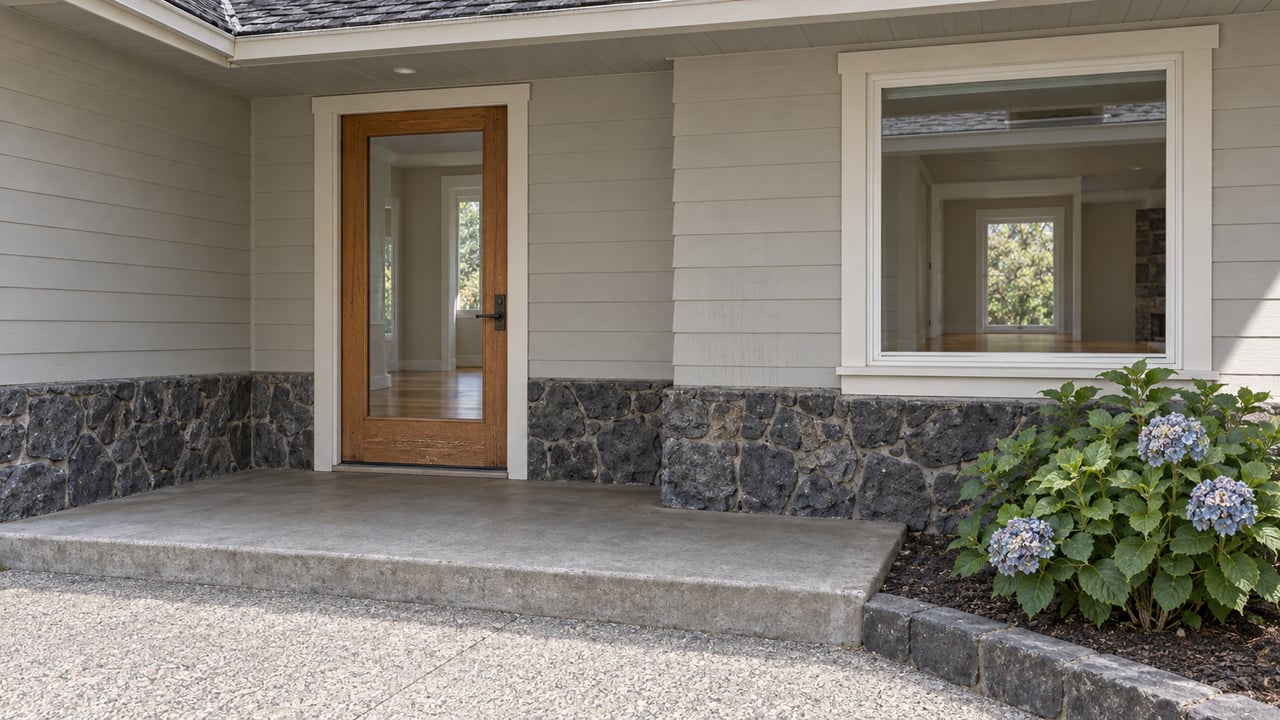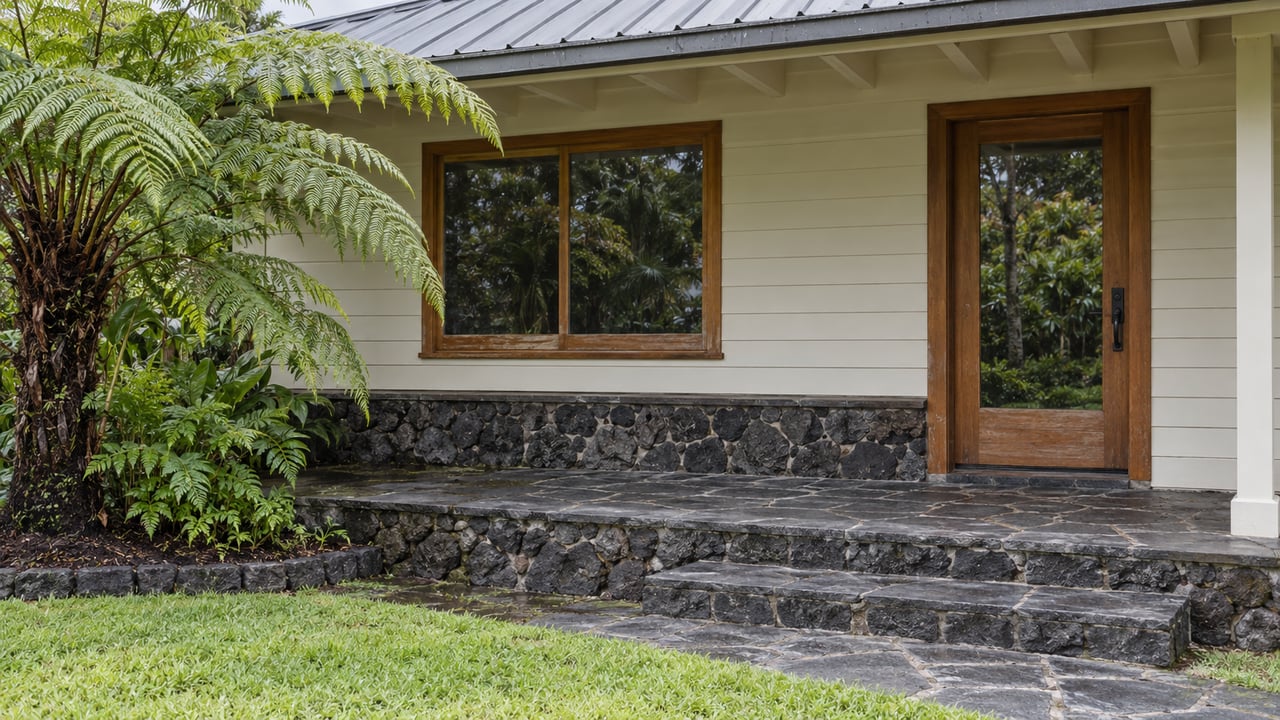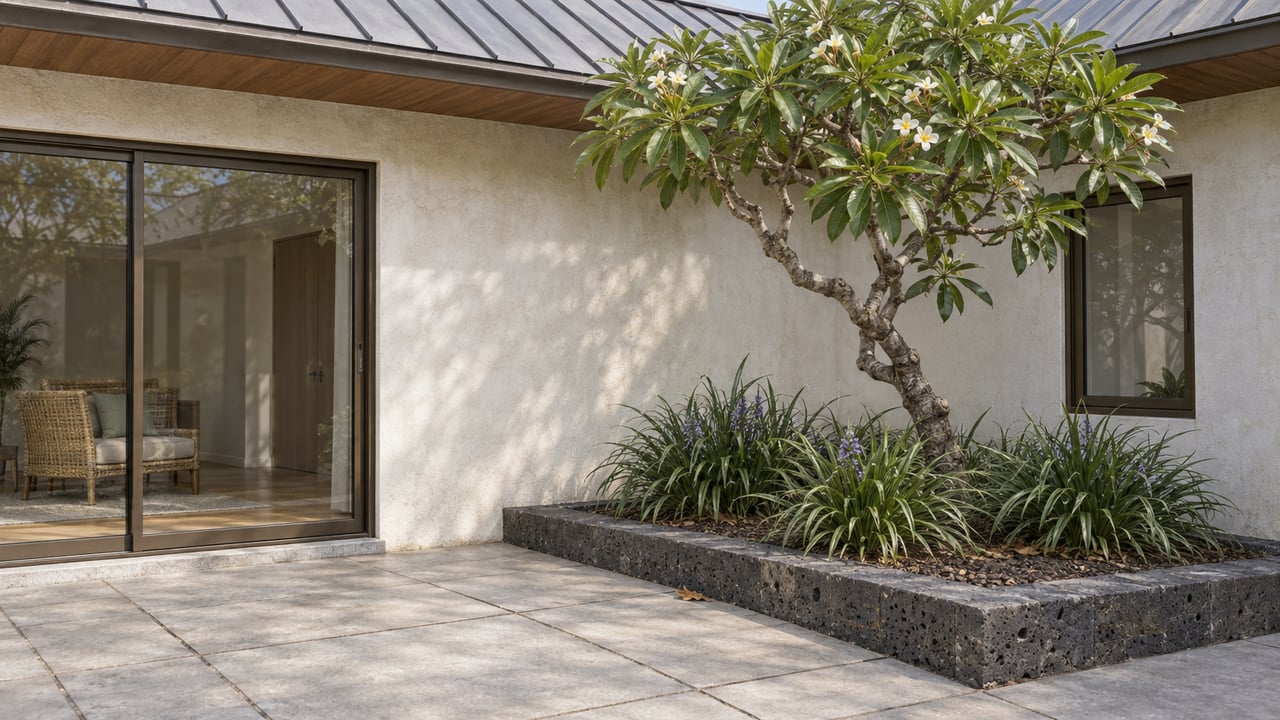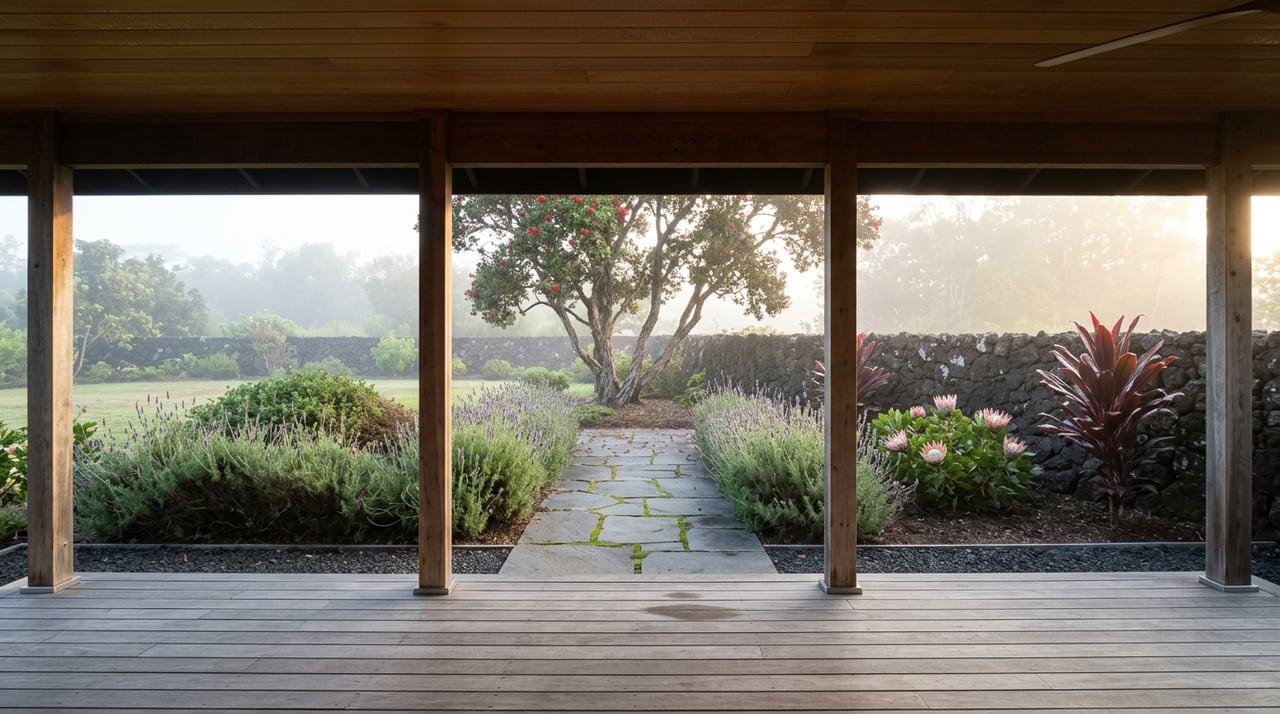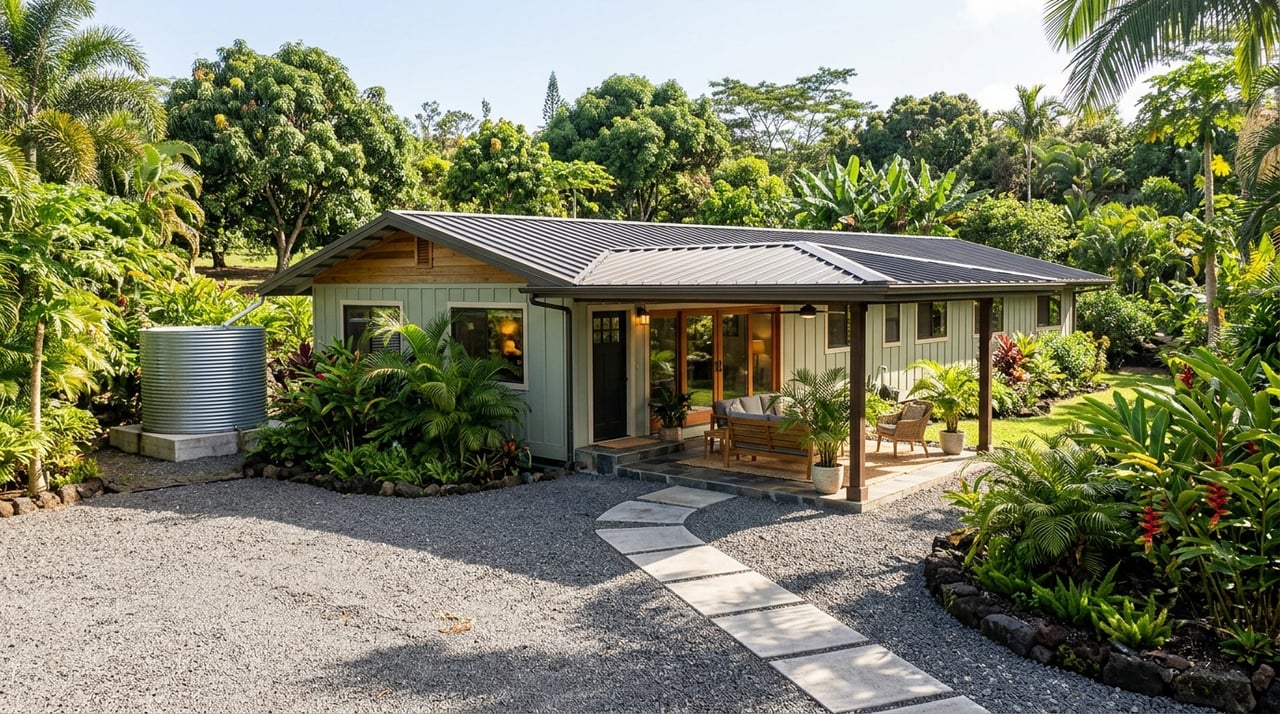
Dreaming about a little more space on Maui? Haiku acreage can offer that open, green, North Shore lifestyle many buyers picture, but it also comes with practical details you will want to understand before you fall in love with a property. If you are considering land or a home on acreage in Haiku, this guide will help you think through water, utilities, access, upkeep, and what rural ownership really feels like day to day. Let’s dive in.
Haiku Living Feels Different
Haiku sits on Maui’s north shore between Kahului and Hana, and Maui County’s Paia-Haiku Community Plan describes it as more rural than nearby Paia. The plan notes small nodes at Kuiaha, Haiku, and Pauwela that serve surrounding rural and agricultural areas. In simple terms, Haiku often feels more spread out, more land-oriented, and less built-up than more urbanized parts of the island.
That rural setting is a big part of the appeal. You may find more privacy, more room for gardens or orchards, and a stronger connection to the land. At the same time, you should expect a lifestyle that is generally less service-dense than a suburban neighborhood.
Haiku is also on Maui’s windward side, where rainfall is generally higher than on leeward slopes. For many buyers, that means a greener environment and strong potential for lush landscaping and plant life. Still, conditions can vary from parcel to parcel, so it is smart to look closely at the specific property rather than assume every lot will feel the same.
Why Acreage Requires More Planning
Acreage in Haiku is not just about square footage. It is about how the land functions and how much hands-on ownership you are comfortable with. Compared with a typical neighborhood home, rural property often asks you to pay more attention to systems, upkeep, and access.
Maui County’s planning documents make that tradeoff clear. Haiku offers spacious, scenic, rural living, but with more limited infrastructure than places like Paia. If you love the idea of living closer to the land, that can be a great fit, as long as you go in with realistic expectations.
Water Service Matters More Than You Think
One of the biggest things to verify early is water. The Maui Department of Water Supply says Haiku is part of the Upcountry Water System, and water-service requests are reviewed through the Upcountry Priority List. The county also says it has not accepted new applications for placement on that list since January 1, 2013.
The practical takeaway is simple: do not assume water service based on address alone. For any acreage property, you will want to confirm the current meter or service status early in the process. Existing service can be a major factor in how usable the property is for your goals.
Water use is also part of everyday rural living in Haiku. The Paia-Haiku Community Plan discusses water reserve capacity during drought conditions, water-conservation incentives, and the need for broader agricultural water systems. If you are hoping for gardens, fruit trees, or a more land-based lifestyle, it helps to think about water not as a background utility, but as part of your day-to-day planning.
Wastewater Is Usually Parcel Specific
Another key difference from more urban areas is wastewater. The Paia-Haiku Community Plan states that Haiku does not have a municipal sewage treatment system. That means wastewater handling is not something you should treat as automatic.
For buyers, this is an important mindset shift. On acreage, infrastructure questions often need to be answered property by property. Before moving forward, make sure you understand how wastewater is handled on the parcel you are considering and what that may mean for maintenance or future plans.
Gardening and Orchards Fit the Area
If part of your Haiku dream includes growing food, planting fruit trees, or creating a large garden, you are looking in a place where that vision can make sense. Maui County’s community plan identifies agriculture as the primary economic activity in the region and specifically references pineapple cultivation, nursery operations, and diversified agriculture in Haiku.
That does not mean every parcel is an active farm, of course. It does mean the broader setting has long been tied to agricultural use and land-based living. For many buyers, that is one of Haiku’s biggest strengths.
Agricultural Zoning and Tax Use Are Not the Same
This is where many early-stage buyers get tripped up. A parcel can be zoned for agriculture without automatically receiving agricultural use assessment for tax purposes. Maui County draws a clear distinction between personal-use gardening and land that is actually in production.
The county says personal-use gardens do not count toward agricultural use assessment. It also says pasture use requires fencing, and its FAQ notes a 2-acre minimum lot size for agricultural lots in the agriculture district. So if you are imagining a large yard, a few fruit trees, or hobby landscaping, that does not automatically place the property in the same category as true agricultural production.
The key is to separate lifestyle goals from official land use and tax treatment. If those details matter to your purchase decision, make sure you review them carefully before you buy.
Access Should Be Verified Early
Access is another major acreage issue that deserves close attention. Maui County notes that the Subdivision Section handles private easements over county right-of-way and roadway dedication requests. The county also says that while most other roads are county roads, there are many exceptions, and road ownership can be checked with the county surveyor.
That means you should not make assumptions about how a property is accessed or who is responsible for certain roadway areas. On acreage, access can affect convenience, maintenance, future improvements, and overall peace of mind. It is one of those details that is much easier to sort out before you are under pressure.
Driveway and Road Upkeep Are Part of Ownership
Rural character is part of what makes Haiku special. The community plan describes the roadway system as rural and even notes that excessive roadway standards and street lighting should be discouraged because they detract from that character. For many buyers, that is part of the charm.
But charm also comes with responsibility. County maintenance guidance says driveways, whether paved or unpaved, are the property owner’s responsibility. The county also says owners adjoining public streets must keep shoulder and sidewalk areas clear, with an exception for lots greater than 15 acres in agricultural districts.
In practical terms, you should expect to take a more active role in upkeep than you might in a more suburban setting. If a long driveway or rural road frontage is part of the property, think through the time and cost involved in maintaining it.
Emergency Response Is Worth Considering
When you buy acreage, you are not just buying a home. You are buying into a service pattern that may be different from more centralized communities. County documents for the proposed Haiku Fire Station say the area is currently served by the Paia Fire Station in Paia Town.
Those same county materials state that planning and design for a new Haiku Fire Station continued in fiscal year 2025. That reflects both current realities and ongoing public investment in the area. It is a helpful reminder that rural living can feel wonderfully open and independent, while also operating differently from denser parts of Maui.
Haiku Acreage Can Be Worth It
For the right buyer, life on acreage in Haiku can be deeply rewarding. You may gain space, greenery, privacy, and a setting that feels more rooted in Maui’s rural landscape. If your vision includes a slower pace, room to spread out, and a stronger connection to the land, Haiku can be a compelling option.
The tradeoff is that you will usually need to be more intentional. Water status, wastewater systems, access, driveway maintenance, and actual land use all matter more here than they might in a typical neighborhood purchase. The more clearly you understand those pieces, the more confident your decision will feel.
If you are exploring Haiku acreage and want a clear, on-the-ground perspective, working with someone who understands Maui’s lifestyle differences can make the process much smoother. When you are ready to talk through properties, goals, and what to verify first, connect with Jason Gilbert.
FAQs
What makes Haiku acreage different from suburban Maui living?
- Haiku is described by Maui County as more rural, with more limited infrastructure than more urbanized parts of the Paia-Haiku region, so ownership often involves more hands-on attention to utilities, access, and upkeep.
What should buyers verify first about a Haiku acreage property?
- Early on, you should verify water meter or service status, wastewater setup, legal and practical access, and who is responsible for driveways or road frontage.
Does every Haiku acreage property have county water service?
- No. Maui County says Haiku is part of the Upcountry Water System, but service status should be confirmed for the specific parcel because it cannot be assumed from location alone.
Is there municipal sewer service in Haiku?
- No. The Paia-Haiku Community Plan states that Haiku does not have a municipal sewage treatment system, so wastewater is a parcel-specific issue.
Can a personal garden qualify a Haiku property for agricultural use assessment?
- No. Maui County says personal-use gardens do not count toward agricultural use assessment because only land actually in production qualifies.
Are agricultural zoning and agricultural tax treatment the same in Haiku?
- No. A parcel can be zoned agriculture without automatically receiving agricultural use assessment, so buyers should review both separately.
Who maintains driveways on Haiku acreage properties?
- Maui County says driveways, whether paved or unpaved, are the property owner’s responsibility.
Why is access such an important issue for Haiku acreage buyers?
- Access matters because road ownership, easements, and maintenance responsibility may not be obvious, and Maui County notes there can be exceptions that should be verified early.