Dreaming about a home with soul in Pāʻia? You are not alone. Many buyers are drawn to the town’s older cottages and lived-in streetscape, but buying a character home here takes a different mindset than buying in a newer Maui subdivision. If you want charm, context, and a clearer sense of what to expect before you make an offer, this guide will help you think through the details. Let’s dive in.
Why Pāʻia Feels So Distinct
Pāʻia has a look and feel that stands apart on Maui. Historic Hawai‘i Foundation describes it as a small sugar plantation village with a strong surf-town identity, and Maui County’s Pāʻia-Haʻikū design guidelines were created to preserve the area’s unified urban design theme and eclectic architectural character.
That history matters when you shop for a home. Pāʻia was shaped as a mixed commercial and residential town, not as a resort district. County materials note that the business district includes residential uses alongside commercial areas, which helps explain why the town can feel more intimate, layered, and visually varied than newer planned neighborhoods.
The county also describes a mainly one-story streetscape, with nearby residential areas mauka of Hāna Highway and on the Kahului side of Baldwin Avenue. In practical terms, you should expect older buildings, smaller lots, and homes that sit closer to one another than you may see elsewhere.
What a Character Home Usually Means
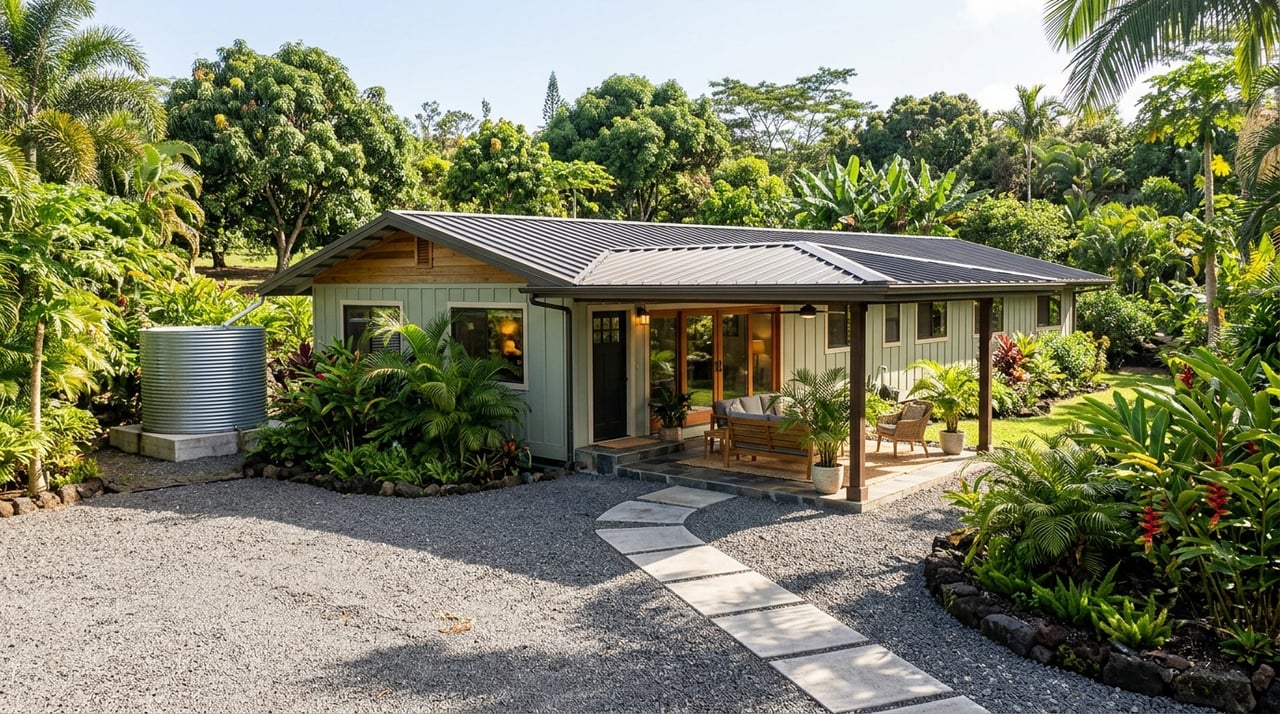
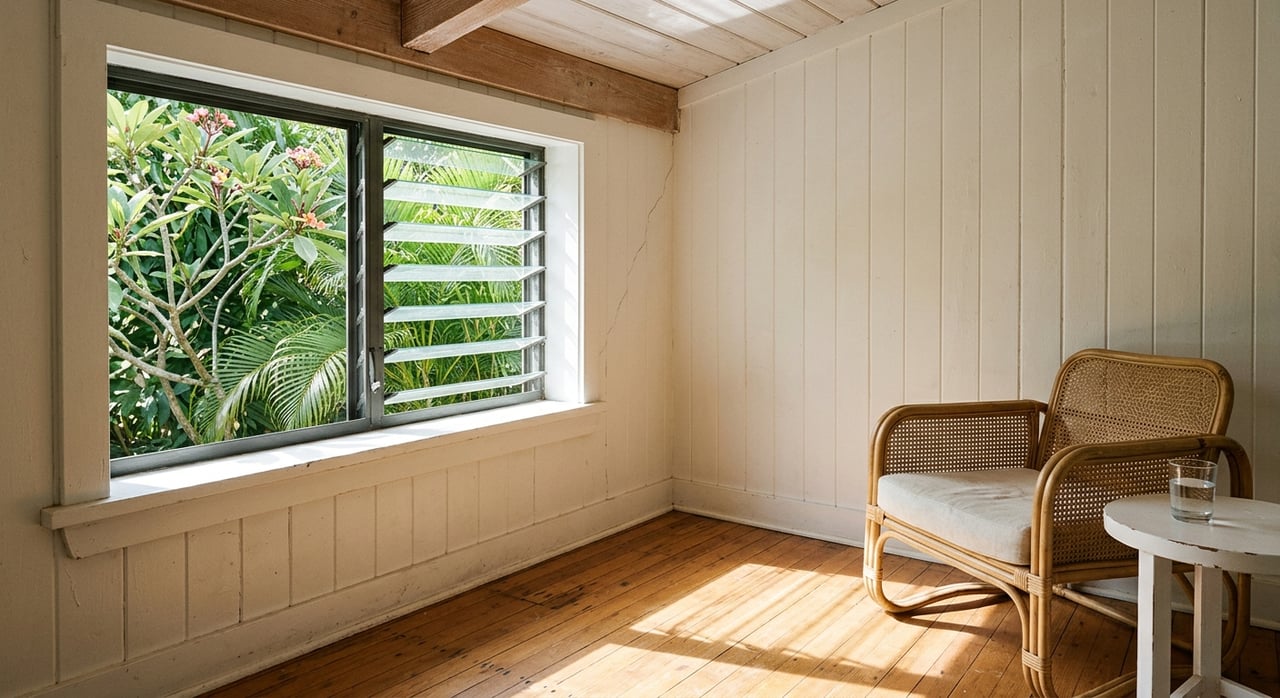
In Pāʻia, a character home often means a property influenced by Hawai‘i’s plantation-era building patterns. Historic Hawai‘i Foundation describes plantation-era houses as single-story wood homes on posts with crawl space, roofs designed for ventilation, and details like exposed rafter tails and multi-light windows.
Inside, these homes may feel simpler than newer construction. Research on plantation housing across Hawai‘i points to a few common floor plan types, including small rectangular homes with front lanais, squarer homes with two or three bedrooms and a parlor, and later L-shaped layouts with interior kitchens, baths, and sometimes a carport or garage.
That does not mean every older home in the area is a tiny cottage. In the broader Pāʻia area, some older homes are more substantial in size and design. Still, many buyers find that the defining traits are not square footage or luxury finishes, but airflow, simplicity, and original details.
Architectural Details Worth Noticing
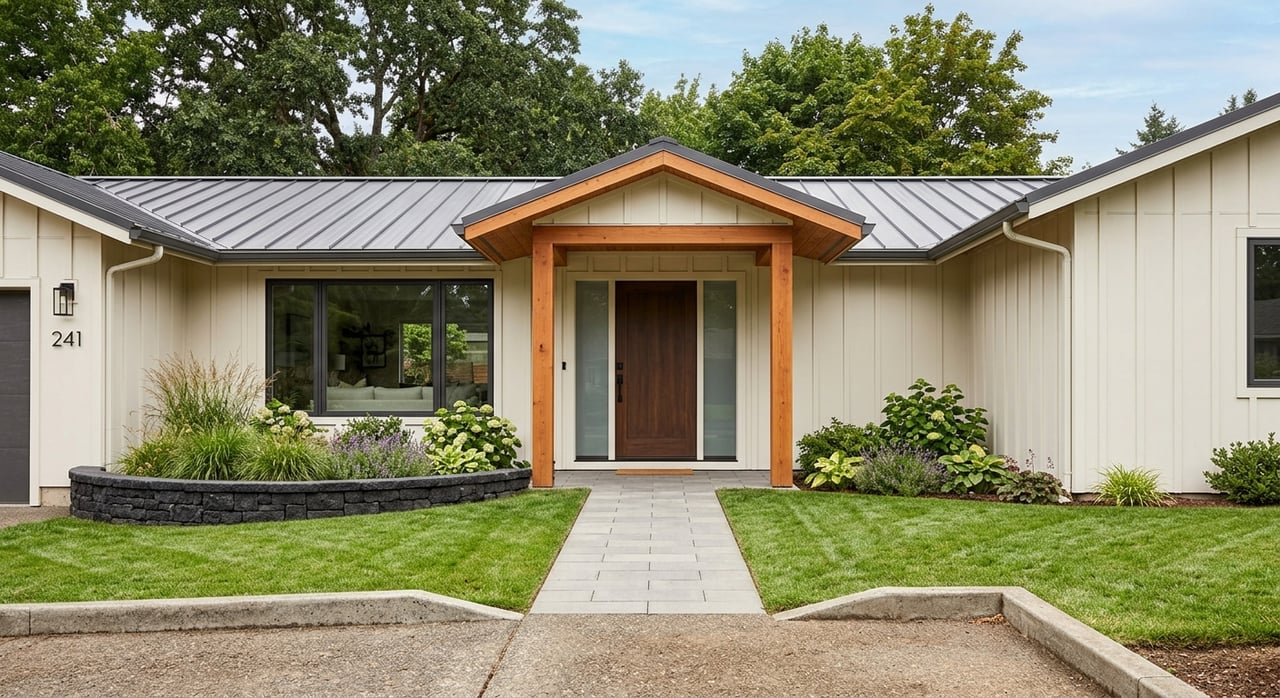
Part of the appeal of buying a character home in Pāʻia is learning to see the details that give a home its identity. Maui County’s design guidelines point to visual cues such as painted wood siding, stucco finishes, canopies, false fronts, and vertically oriented multi-paned windows.
These features shape the town’s historic feel, even when a property has been updated over time. If you are comparing homes, look beyond surface staging and notice the roof shape, window rhythm, siding materials, and how the house relates to the street.
Original elements can add a lot of appeal. They can also matter if you plan to remodel later, because county guidance favors retaining certain historic forms and materials where possible.
The Tradeoff: Charm and Maintenance
Character homes can be incredibly rewarding to own, but they usually ask more from you. Older wood homes in Hawai‘i face real environmental pressures, and maintenance is not something to treat as an afterthought.
One of the biggest issues is termites. The University of Hawai‘i CTAHR says the Formosan subterranean termite is the single most damaging insect pest to homes and other structures in Hawai‘i. Prevention guidance emphasizes regular inspections, limiting wood-to-soil contact, and keeping water away from the structure.
Moisture is another major factor in a coastal setting like Pāʻia. CTAHR’s wood-damage guidance notes that coastal fog can keep eave sheathing damp, outer eave boards can be vulnerable in coastal areas, and homes near the ocean can experience rapid oxidation of iron water pipes and leakage in wall areas.
That means your budget should leave room for upkeep. Roof condition, flashing, plumbing, exterior wood, and ventilation all deserve close attention when you evaluate an older home.
Flood and Mold Risks to Understand
In a tropical coastal town, water intrusion can become a bigger problem faster than many buyers expect. The Hawai‘i Department of Health says mold growth can begin quickly after flooding, and porous materials that stay wet for more than 24 to 48 hours often need to be discarded.
If a home has any sign of past flooding or water damage, you will want to look carefully at what was repaired and how. Walls may need to be opened and dried after significant water intrusion, so this is not an area where cosmetic fixes tell the whole story.
For buyers, the lesson is simple. A charming older home should also show signs of responsible care. You want to see evidence that moisture issues were addressed thoroughly, not just covered up.
Renovation Can Be More Complex
Many buyers fall in love with a Pāʻia home and immediately start imagining additions or design changes. That is understandable, but in this part of Maui, renovation plans can come with extra layers of review.
If a property is in Pāʻia’s Country Town Business District, Maui County’s Country Town Design Review can apply to new construction, reconstruction, and renovations involving 50 percent or more of an elevation. The county also recommends confirming zoning and flood status before moving ahead with a project.
County guidelines favor keeping original roof shape and materials, preserving original window rhythm and wood framing, and using wall finishes such as clapboard, shiplap, tongue-and-groove, board-and-batten, or stucco. The guidelines discourage covering original finishes with vinyl, aluminum, or imitation masonry or brick veneers.
For you, this can mean two things at once. A home with strong original character may be especially appealing, but remodeling that home may cost more and require more planning than you first expect.
Coastal Rules Matter Near the Shore
For ocean-adjacent properties, the review process can become even more important. Maui County’s planning materials state that the Special Management Area is a mapped coastal zone near the ocean, and the shoreline setback area includes added restrictions intended to protect coastal resources and public access.
The county also updated its shoreline rules effective August 25, 2024, and notes that 85 percent of Maui shorelines are experiencing long-term erosion. If you are considering a home near the ocean, exterior changes such as additions, decks, or other site work may trigger additional review.
This does not mean you should avoid coastal property in Pāʻia. It means you should go in with clear expectations, especially if your long-term plan includes changing the footprint or outdoor areas.
How to Evaluate a Pāʻia Character Home
When you tour older homes, it helps to balance emotion with a practical checklist. The best opportunities are often homes where the charm is obvious and the maintenance history is understandable.
Here are a few smart areas to focus on:
- Evidence of termite inspections or past termite treatment
- Signs of moisture intrusion around eaves, walls, and windows
- Roof age, roof condition, and flashing performance
- Corrosion at exposed metal components or older plumbing
- Condition of exterior wood elements and crawl space areas
- Any signs of flooding, mold, or incomplete repairs
- Whether additions or alterations appear consistent with the home’s age and design
If you are buying from off-island, this step becomes even more important. A virtual showing can help you fall in love with a property, but due diligence is what helps you buy with confidence.
Is a Character Home Right for You?
A character home in Pāʻia can be a great fit if you value authenticity more than perfection. These homes often feel smaller, simpler, and more connected to climate and place than newer builds.
They can also ask you to be patient. Maintenance may be more frequent, repairs may require more care, and future improvements may involve design or coastal review depending on the property.
For many buyers, that is part of the appeal. You are not just buying square footage. You are buying into a distinct part of Maui’s built history and a townscape that has kept much of its original personality.
What Smart Buyers Do Next
If you are serious about buying a character home in Pāʻia, it helps to start with the right expectations. Know what details give these homes their appeal, know where maintenance risks tend to show up, and know that renovation may not be as simple as it would be in a newer neighborhood.
The good news is that with the right guidance, you can sort through the charm and the tradeoffs in a way that feels grounded and clear. Whether you are on Maui or buying remotely, a thoughtful home search can help you find a property that fits both your lifestyle and your comfort level for upkeep.
If you are exploring homes in Pāʻia and want practical local guidance, connect with Jason Gilbert for a personalized, informed approach to your Maui home search.
FAQs
What makes a home in Pāʻia a character home?
- In Pāʻia, a character home usually refers to an older property with features tied to plantation-era or historic town design, such as wood construction, simple floor plans, original windows, and traditional siding or roof forms.
What should buyers inspect in an older Pāʻia home?
- Buyers should pay close attention to termite history, moisture intrusion, roof and flashing condition, corrosion, plumbing, exterior wood, crawl space areas, and signs of unpermitted or later additions.
Are renovations harder for character homes in Pāʻia?
- They can be, especially if the property falls within the Country Town Business District or near coastal areas where design review, zoning, flood status, shoreline setback, or Special Management Area rules may affect the scope of work.
Do character homes in Pāʻia usually need more maintenance?
- Yes. Older wood homes in coastal Hawai‘i often require more frequent maintenance because of termite pressure, moisture, salt-air effects, and the need to protect original materials.
Are all older homes in the Pāʻia area small plantation cottages?
- No. Many older homes follow simpler plantation-era patterns, but the broader area also includes larger and more substantial historic homes with different layouts and architectural features.
Is buying a Pāʻia character home a good fit for remote buyers?
- It can be, but remote buyers should be especially careful with inspections, maintenance history, and permitting questions so they understand both the home’s charm and its ongoing responsibilities.