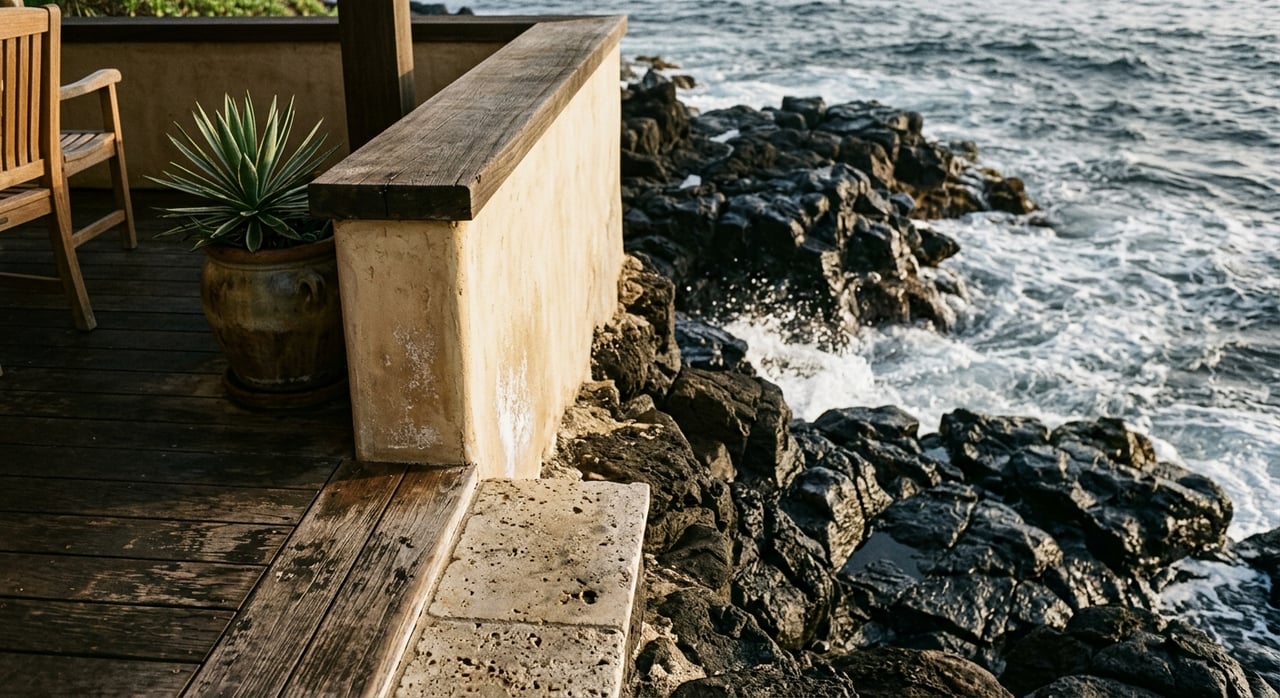
Dreaming about waking up to Makena’s ocean views? It is easy to fall in love with the setting, but buying oceanfront property here takes more than choosing the home with the best lanai. If you are considering a Makena oceanfront purchase, you need to understand coastal rules, hazard maps, access rights, and long-term maintenance before you remove contingencies. Let’s dive in.
Why oceanfront buying in Makena is different
Makena is one of Maui’s most stunning coastal areas, and that natural setting is a big part of the appeal. It is also exactly why oceanfront ownership here comes with more layers of review than many inland properties.
For buyers, that means the purchase decision should go beyond finishes, privacy, and view lines. Maui County uses planning tools, shoreline rules, and hazard review to guide what can happen on or near coastal parcels over time.
Community planning matters
The Kihei-Makena Community Plan is one of Maui County’s formal community plans. It helps guide government action and decision-making, which means oceanfront parcels are considered within a larger framework that also includes zoning, shoreline rules, and coastal policy.
That matters if you are thinking not just about buying the home as-is, but also about future improvements, additions, or redevelopment. What looks simple on the surface may be shaped by multiple county rules behind the scenes.
Public shoreline access is part of ownership
One point that surprises some buyers is that shoreline ownership in Hawaiʻi does not work like a fully sealed private edge. State law gives the public access rights along beaches and shorelines below the upper reaches of the wash of the waves, and Maui County maintains shoreline access in many areas.
Before you move too far into a deal, you should verify whether a parcel is affected by a public access easement, right-of-way, end-of-street access, or beach-transit corridor nearby. This can affect how you understand privacy, use, and the day-to-day ownership experience.
Views need a long-term review
A great ocean view is often the emotional centerpiece of an oceanfront purchase. In Makena, it is smart to treat that view as something to verify, not just admire.
Maui County zoning defines a view plane as open space and significant vistas, especially toward the ocean, mountains, or valleys. Buyers should ask whether recorded easements, height limits, nearby entitlements, landscaping plans, or future development could change the current outlook over time.
Start regulatory diligence early
One of the biggest mistakes oceanfront buyers can make is waiting too long to review coastal permitting and hazard questions. In Makena, those items should be part of your early due diligence, not a last-minute check.
Understand SMA review and permit sequence
Maui County requires Special Management Area assessments or SMA use permits for development in the coastal zone. The SMA Use Permit can apply to shoreline parcels or parcels affected by waves, storm surge, high tide, or shoreline erosion when a project meets the valuation threshold.
The county also states that no structure or activity will be permitted if it conflicts with SMA rules, shoreline setback rules, the General Plan, community plans, or zoning. If a flood-development permit is needed too, that permit must be issued before an SMA exemption or minor permit is approved.
For you as a buyer, this is important if you hope to remodel, expand, rebuild, or add features later. A home’s current footprint does not guarantee that future plans will be approved.
Shoreline setbacks can limit future changes
Maui County’s 2024 shoreline-rule update uses both historic erosion and projected future erosion in setback calculations. In plain terms, the county is looking not only at where the shoreline has been, but also where it may move in the future.
That can make future additions or rebuilds more limited than buyers expect. If you are considering a property because of its expansion potential, you will want a very careful review of shoreline setback constraints before moving forward.
Hard shoreline armoring is discouraged
Maui County’s erosion guidance favors softer approaches to beach erosion and strongly discourages hard armoring such as seawalls, groins, revetments, boulders, and sheet piling. A shoreline setback variance is normally required when hardening is proposed.
This matters for two reasons. First, any existing shoreline structure should be reviewed for permitting history and current condition. Second, you should not assume that future shoreline protection will be easy, fast, or even available in the way you might expect.
Check flood, tsunami, and sea level rise exposure
Oceanfront risk is not limited to what you can see from the lanai. Flooding, tsunami evacuation zones, and long-term sea level rise all deserve a parcel-by-parcel review.
Flood exposure is not just a map issue
Maui County’s flood viewer uses FEMA flood maps and other identified flood-prone areas, but the county also warns that a property outside a Special Flood Hazard Area can still flood due to local drainage or other unmapped hazards.
That means you should not stop your review just because a property appears outside the highest-risk flood area. Surface water, drainage patterns, and lot-specific runoff can still create meaningful risk and future cost.
Tsunami zones should be reviewed directly
Maui County directs residents to the official tsunami map and recommends checking whether a property falls in a red, yellow, or green evacuation zone. For oceanfront buyers, that is a practical ownership issue, not just an emergency-planning detail.
If you plan to use the property as a second home, host family often, or own remotely, it helps to know what evacuation planning looks like for that exact address. This is part of understanding the real-life use of the property.
Sea level rise is a long-term ownership factor
Hawaiʻi’s climate agencies note that sea level rise is expected to worsen chronic high-tide flooding and coastal erosion. The state’s intermediate scenario projects about 8 inches of sea level rise by 2050 and 3.5 feet by 2100.
That does not mean every parcel is impacted the same way, but it does mean oceanfront buyers should think in long timelines. If this is a legacy property or long-term hold, future coastal conditions deserve serious attention today.
There is a formal path if flood mapping looks wrong
If flood-zone mapping appears inaccurate, Hawaiʻi’s Department of Land and Natural Resources outlines a formal review path through a Letter of Map Amendment or a Letter of Map Revision Based on Fill. That makes current surveys, elevation data, and lender and insurance review especially important before closing.
For buyers, this is another reminder that good coastal due diligence is a team effort. The right review can affect both insurability and your confidence in the purchase.
Look closely at condition and hidden costs
Oceanfront homes often have a different maintenance profile than inland properties. Salt air, wind, moisture, and drainage can accelerate wear in ways that are not always obvious during a first showing.
Pay attention to coastal wear
In a marine setting, materials need to stand up to flood, wind, corrosion, and decay. Your inspection checklist should include exterior metal components, railings, fasteners, balconies and decks, roof attachments, windows and doors, coatings, HVAC equipment, drainage, and any signs of water intrusion or salt-air damage.
Even a beautifully presented property can have deferred maintenance hidden behind the finish work. On the ocean, those details often affect your long-term cost of ownership more than buyers expect.
Review shoreline work like a permit file
Any seawall, revetment, retaining wall, sandbag system, dune work, or drainage outlet should be reviewed carefully. In Makena, those items are not just physical features. They are often tied to permitting history, coastal policy, and future maintenance questions.
If something appears to manage erosion or runoff, ask how it was approved, when it was installed, and what condition it is in now. This is especially important because local drainage and unmapped flood hazards can still cause damage even when the ocean seems like the main issue.
Wastewater can become a major expense
Hawaiʻi Department of Health states that all cesspools must be replaced by 2050. If a Makena property uses a cesspool, you should identify that early and understand the likely conversion path, budget, and any permitting issues.
This can affect not only your ownership costs, but also future remodeling plans and eventual resale. It is one of the most important hidden-cost items to clarify before you commit.
Think realistically about shoreline use
Oceanfront living can sound effortless in marketing photos, but actual beach conditions matter. DLNR’s Mākena State Park information warns that shore break can be very dangerous.
If you plan to use the home as a gathering place for family or guests, ocean safety should be part of your decision. The shoreline may be beautiful, but safe enjoyment depends on knowing the conditions and setting expectations clearly.
Build the right due diligence team
A Makena oceanfront purchase usually benefits from more than a standard transaction review. The strongest buyers bring in the right professionals before contingencies are removed.
Core advisors to consider
For this type of purchase, useful outside voices often include:
- A coastal-savvy REALTOR®
- A title or escrow officer
- A surveyor
- A flood and insurance professional who can quote from actual maps
- An architect or engineer who understands shoreline and flood permitting
This is not about making the process complicated. It is about making sure you understand the property from every angle before you close.
Questions to ask before moving forward
Use this checklist to guide your review:
- Is the parcel in the SMA, shoreline setback area, flood zone, or tsunami evacuation zone?
- What permits, variances, or determinations supported the home, deck, lanai, pool, drainage, seawall, or other shoreline-related improvements?
- Is there a public access easement, right-of-way, or beach-transit corridor on or near the parcel?
- Has a recent survey or elevation review been completed, and does it align with current flood-map status?
- What wastewater system serves the property, and if it is a cesspool, what is the likely timing and cost of conversion?
- If the property is a condo, who insures the exterior, common areas, shoreline features, or drainage components, and are any reserves or special assessments already planned?
The bottom line on Makena oceanfront buying
In Makena, the view is often the easy part of the decision. The harder and more important part is understanding how shoreline rules, hazard exposure, access rights, maintenance realities, and future permitting could shape your ownership over time.
When you verify those details early, you put yourself in a much better position to make a confident purchase. Whether you are buying from the mainland, planning a second home, or looking for a long-term legacy property, careful due diligence helps turn a beautiful oceanfront address into a smarter investment and a more durable lifestyle choice.
If you want local guidance on Makena and South Maui oceanfront opportunities, Jason Gilbert can help you evaluate properties with a practical, boots-on-the-ground perspective and a smooth process for both on-island and remote buyers.
FAQs
What should buyers review first for oceanfront property in Makena?
- Start with parcel-specific checks for shoreline setback issues, SMA status, flood exposure, tsunami evacuation zone, public shoreline access, and permitting history.
How do Maui County shoreline setbacks affect Makena oceanfront homes?
- Maui County now uses historic erosion plus projected future erosion in setback calculations, which can limit future additions, rebuilds, or shoreline-related improvements.
Does a Makena property outside a flood zone still have flood risk?
- Yes. Maui County warns that properties outside a Special Flood Hazard Area can still flood due to local drainage or other unmapped hazards.
Why is public shoreline access important for Makena buyers?
- Public access rights can affect privacy, use patterns, and how the parcel functions day to day, so buyers should verify whether easements, rights-of-way, or access corridors are present.
What hidden costs matter with Makena oceanfront ownership?
- Common items include coastal maintenance, corrosion-related repairs, drainage work, shoreline feature review, insurance considerations, and wastewater upgrades such as cesspool conversion if applicable.
Who should be on a Makena oceanfront buyer’s due diligence team?
- A strong team may include a coastal-savvy REALTOR®, title or escrow officer, surveyor, insurance professional, and an architect or engineer familiar with shoreline and flood permitting.