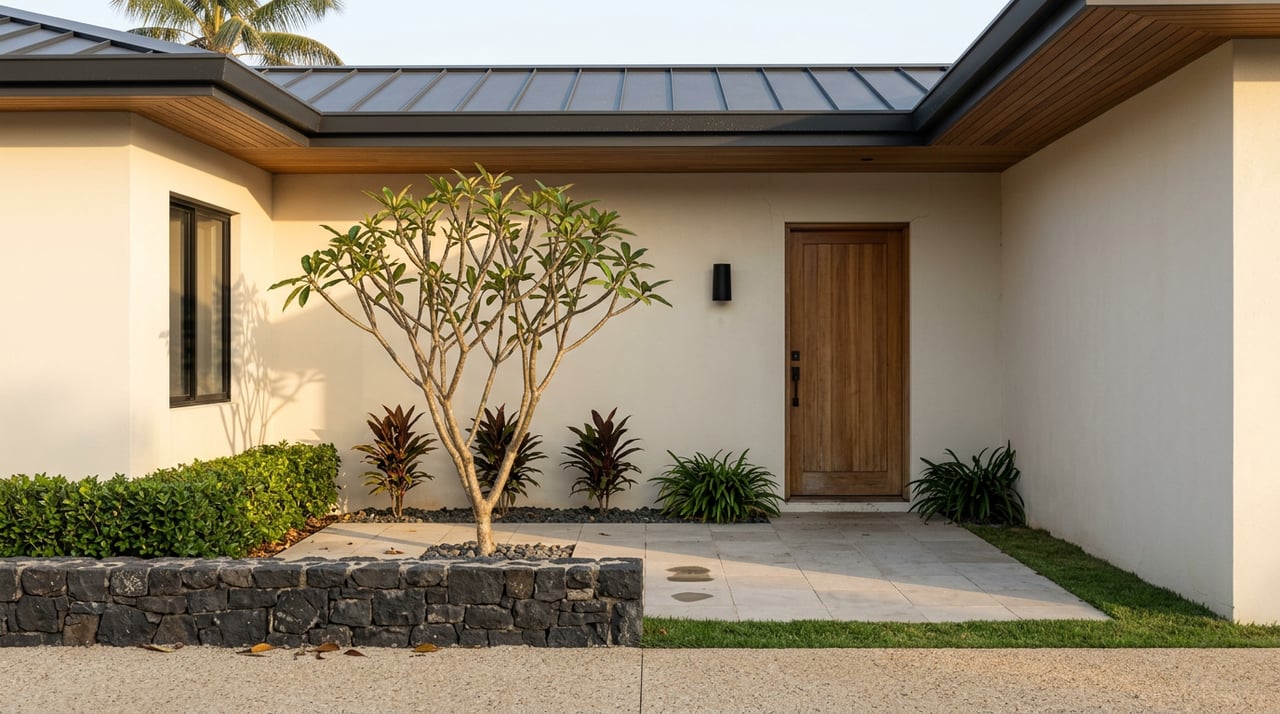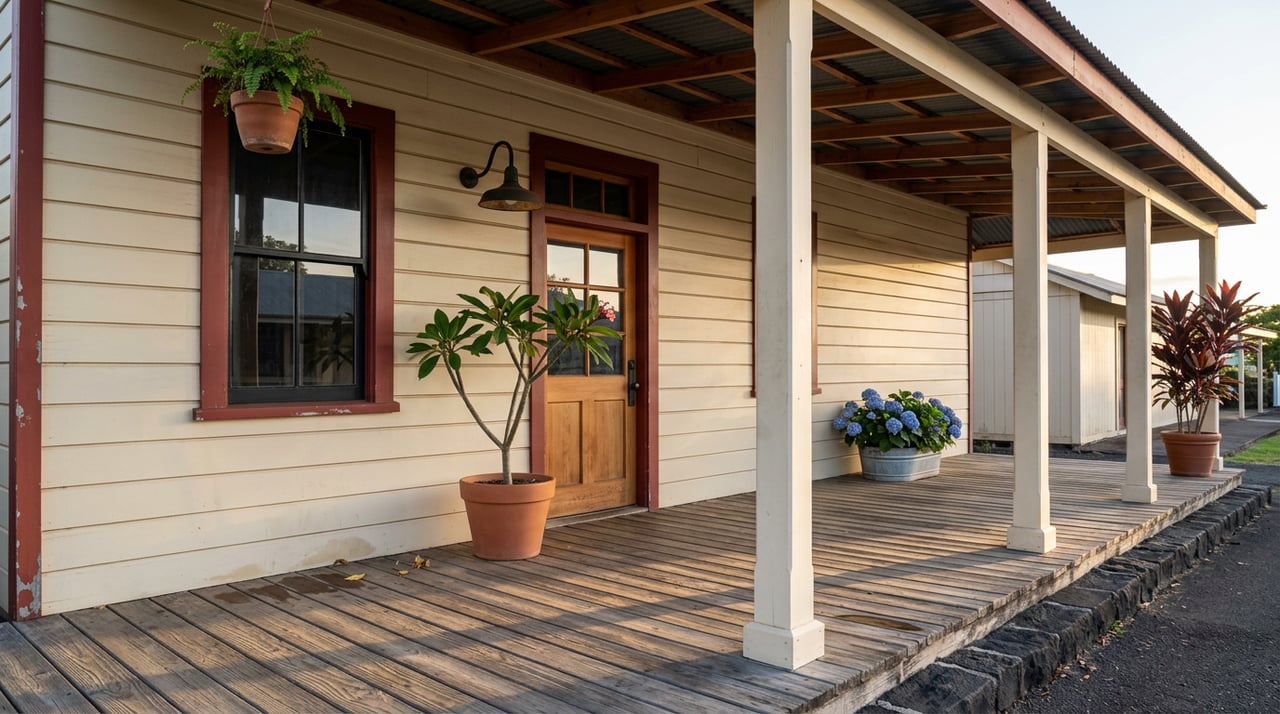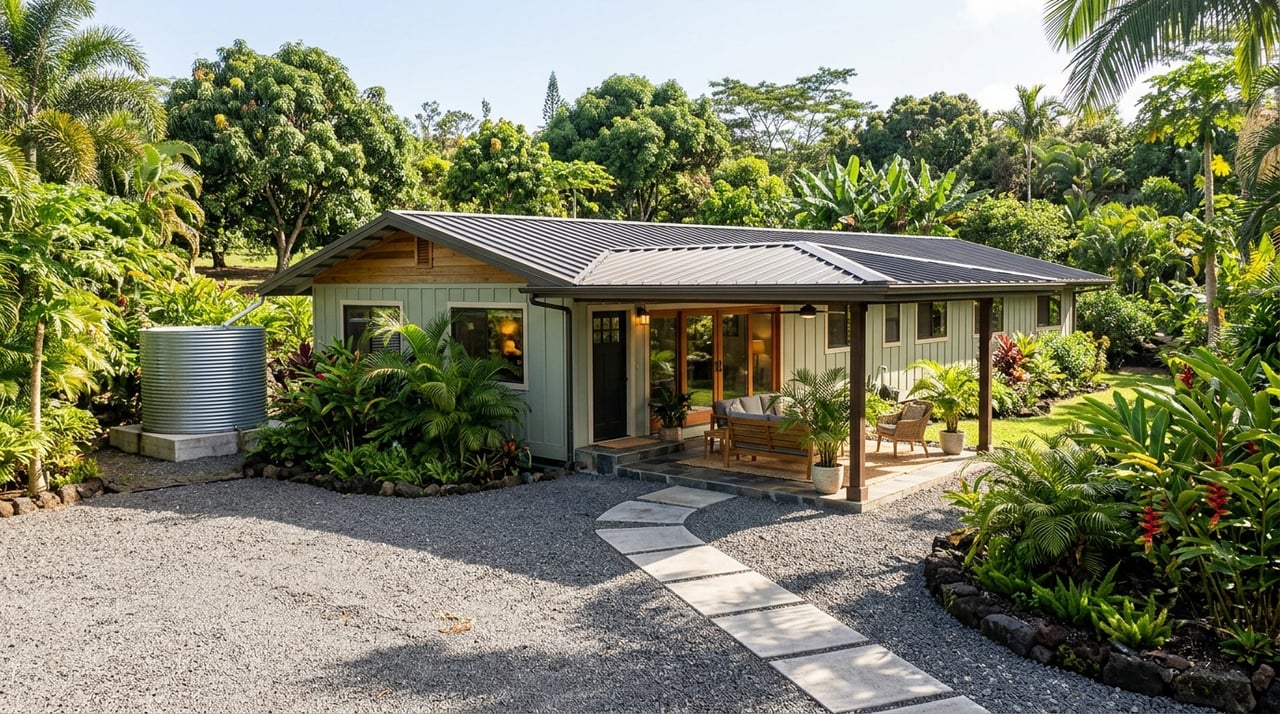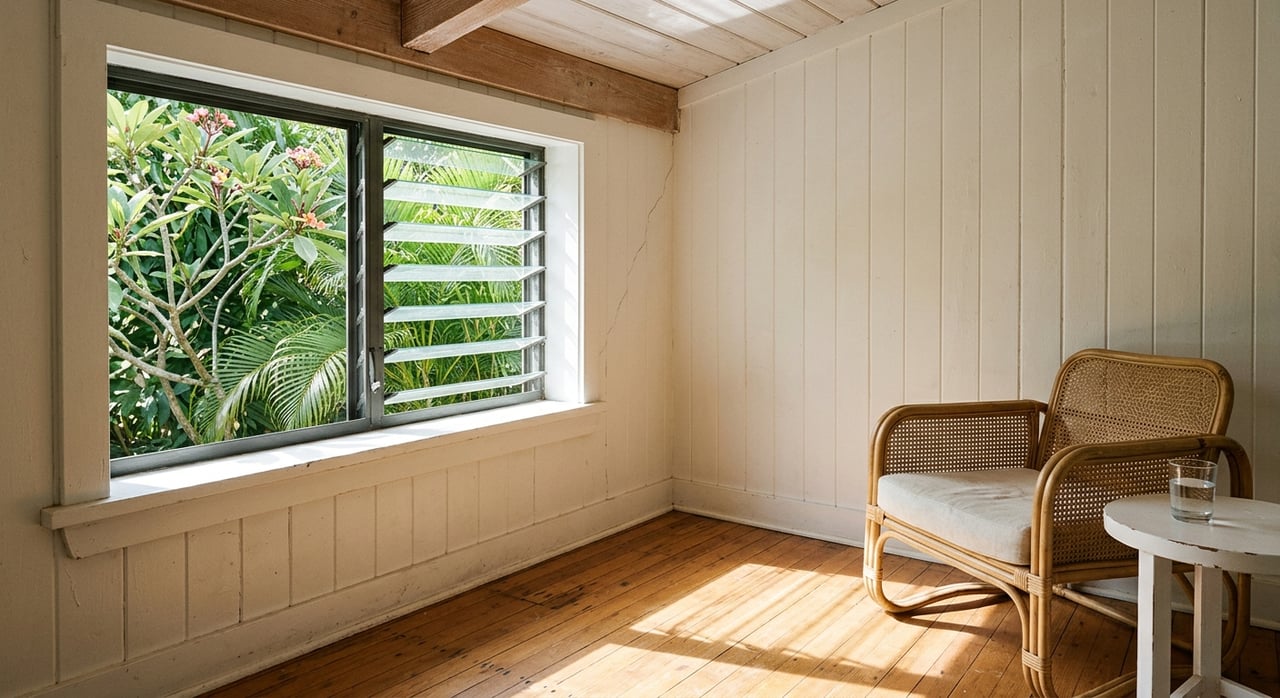
Trying to buy your Kula dream home from the mainland? You are not alone. Many buyers fall in love with Upcountry Maui and need a remote-friendly plan that is clear, secure, and efficient. In this guide, you will learn how to preview properties virtually, verify critical Kula details, protect your funds, and close from afar with confidence. Let’s dive in.
Kula basics remote buyers must know
Kula sits in Upcountry Maui at a higher elevation than the coast. You can expect cooler temperatures, microclimates, and more wind exposure in some areas. These conditions affect landscaping, irrigation, and the health of roofs and exterior wood. They can also influence mold and rot risks. Your inspections should account for these factors.
Many lots are sloped and some have private or narrow access roads. You should confirm legal road access and who maintains the road. This can affect both financing and day-to-day living.
Water sources vary. Some properties have county water, while others rely on wells, catchment, or shared private systems. Verify the water source, meter availability, transfer rules for accounts, and recent water quality testing. Septic systems are common Upcountry. Confirm the system type, permits, and whether any cesspool-to-septic upgrades apply under Hawaii Department of Health rules.
Zoning and land use matter. Kula includes residential and agricultural districts. Agricultural zoning can limit subdivision and use of structures. Confirm permitted uses with Maui County planning. Also check whether a property is fee simple or leasehold, since leasehold can affect financing and long-term cost.
Insurance has become a key part of due diligence. Wildfire risk, brush conditions, and market changes since 2023 have impacted availability and cost. Start insurance quotes early. Assess flood and wind risks as well, since deductibles and coverage types can vary by policy.
Hawaii uses public recording systems for title and may involve the Land Court. Your escrow and title team will verify the title chain, easements, CC&Rs, and encumbrances. Understanding which system the parcel is under helps set expectations for timing and documentation.
Finally, plan around Hawaii Standard Time. Maui does not observe daylight saving time, so you should pace showings, inspections, and signings with the time difference in mind.
Step-by-step remote purchase plan
Find and vet properties virtually
Work with a local buyer’s agent who is experienced with remote clients. Ask for live video tours, pre-recorded walk-throughs, and high-resolution photos of hard-to-see areas like the roof, crawlspace, electrical panels, meters, and septic access. Drone footage can help you understand lot shape, slope, and driveways.
Ask for seller disclosures early and request any missing details. Your agent can also line up specialty vendors who know Upcountry Maui conditions.
Make an offer and open escrow
Your offer and disclosures can be handled electronically. Confirm that your chosen escrow or title company accepts e-signatures and your preferred deposit method. You can wire funds, arrange an electronic transfer, or mail a certified check. Put wire-security steps in place before moving any money.
Inspections and due diligence
Schedule a full inspection with a licensed home inspector who can host a live video session as they move through the home. In Kula, consider these additional checks:
- General home inspection covering structure, roof, plumbing, electrical, and HVAC
- Termite and wood-destroying organism inspection
- Septic inspection and pump test with permit validation
- Water testing for wells or catchment systems
- Roof and solar inspections if panels are present
- Survey and boundary confirmation, especially on steep or irregular lots
- Wildfire and defensible-space assessment where relevant
Ask vendors to provide clear photo and video reports. Your agent can help set up real-time Q&A so you understand findings and options.
Financing and appraisal
Check with your lender early about remote-friendly options such as e-sign, mobile notary, and whether they require in-person signing for any documents. Appraisers will usually visit the property in person and timing depends on on-island availability. If you use a mainland lender, confirm they can underwrite and fund on Maui and coordinate across time zones.
Title and escrow clearance
Choose a local escrow and title team with remote transaction experience. They will run the title search, identify any liens, confirm the legal description, and prepare closing papers. Ask which items require original signatures or notarization versus those that can be e-signed. Clarify whether remote online notarization is allowed for your documents.
Remote signing and closing options
- eClosing with remote notarization may be possible for some documents if allowed by state rules and your lender. Confirm this early.
- A mobile notary can meet you at your location if permitted in your state. Notaries are state-specific, so confirm details with escrow.
- A limited Power of Attorney is an option when drafted for the specific transaction. This usually must be notarized and approved by title and your lender.
- In-person signing is sometimes the cleanest route for complex loans or if a lender requires it.
Funding, recording, and keys
Verify wiring instructions over the phone using a number you already confirmed with escrow. Once funds arrive and documents record, escrow releases keys and seller proceeds. Plan your final remote walk-through within 48 hours of closing, or have a trusted local contact confirm the property condition.
Documents, vendors, and security
What to prepare
- Photo ID and lender pre-approval or proof of funds
- Signed purchase contract and addenda
- Tax ID or Social Security number for closing forms
- Insurance quotes or binder
- Any Power of Attorney documents if needed
- Verified contact list for escrow, title, lender, and key vendors
- Inspection reports and agreed repair items
How to vet local vendors
Work from referrals by a licensed local agent and confirm licensing, Upcountry experience, and the ability to deliver photo, video, and live reporting. Preferred roles often include a general home inspector, termite inspector, septic specialist, surveyor, and licensed trades for follow-up items. If you want legal advice, consider a Hawaii real estate attorney.
Protect your funds from wire fraud
Wire fraud is a common threat in real estate. Key steps will reduce your risk:
- Do not rely on wiring instructions sent only by email. Call your escrow company using a phone number you independently confirmed and read back the instructions.
- Ask escrow about their call-back procedures and secure portals. Enable multi-factor authentication on your email and any document systems.
- Be alert for last-minute changes to routing or account numbers. Question urgency requests and verify them by phone.
E-signatures and notary basics
E-signatures are common for many documents, but some items, such as deeds or loan papers, may require notarization. Confirm early whether remote online notarization, mobile notary, or in-person signing is required for your file. If you use a Power of Attorney, ensure it meets Hawaii requirements and is acceptable to your title company and lender.
Insurance and escrow instructions
Begin home insurance quotes as soon as you open escrow. Some insurers may require an inspection or specific mitigation like brush clearance. Your lender will need proof of required coverages before closing. Coordinate the binder and any paperwork with escrow.
Checklist and sample timeline
Use this as a starting point and adjust to your contract and vendor schedules.
Pre-offer, days 14 before offer to day 0
- Hire a local buyer’s agent with remote experience.
- Review disclosures and request detailed media, including aerials and parcel maps.
- Secure lender pre-approval or gather proof of funds.
Offer and escrow, day 0 to day 3
- Submit your offer with inspection, financing, and title contingencies.
- Open escrow and deposit earnest money.
Due diligence, day 3 to day 21
- Schedule the general inspection with a live video walkthrough.
- Order septic, water, termite, and other specialty inspections.
- Review the preliminary title report and ask questions early.
- Start insurance quotes and appraisal scheduling.
Financing and appraisal, day 14 to day 35
- Complete underwriting and the appraisal visit.
- Address appraisal issues or negotiate credits if needed.
Clearance and final walkthrough, day 30 to day 45
- Confirm repairs are complete or agree on credits.
- Do a final virtual walkthrough within 48 hours of closing.
Closing and funding, day 30 to day 60
- Execute your chosen signing method: eClosing, mobile notary, Power of Attorney, or in-person.
- Verify wire instructions by phone using a known good number.
- Confirm recording, then coordinate keys and possession.
Typical inspection windows in Hawaii are often 10 to 14 days, with closings in the 30 to 45 day range. Timelines vary with negotiations and vendor availability.
Avoid common obstacles
- Insurance availability and cost: Start early and request multiple quotes. Be ready to complete brush or defensible-space work if needed.
- Water or septic surprises: Insist on water testing for wells and catchment systems and verify septic permits and function.
- Title exceptions and easements: Ask for a full title commitment early and consider a survey if boundaries are unclear.
- Lender or escrow signing rules: Confirm signing requirements at the start and plan for a mobile notary, remote notarization, or travel if required.
- Wire fraud: Verify routing by phone with known contacts and use secure portals for documents.
- Time zones and scheduling: Build buffers for inspector and appraiser availability and plan around HST and holidays.
How we help you buy from afar
You deserve a guide who understands Kula’s terrain, water and septic realities, and the unique insurance landscape. With a remote-friendly process, you can tour homes by live video, get clear media on key systems, and coordinate expert inspections without stepping on a plane. You stay informed at every step, and your transaction keeps moving on island time.
With boutique, hands-on service supported by national brokerage systems, you get the best of both worlds. From curated property searches to escrow coordination and a smooth remote close, you have a partner who is responsive, organized, and committed to your goals.
Ready to explore Kula from wherever you are? Let’s find the right property, set up virtual tours, and build a clear path to closing with confidence. Connect with Jason Gilbert to get started.
FAQs
How do virtual showings in Kula work if you are on the mainland?
- Your agent schedules live video tours, provides detailed photos and drone views, and focuses on critical areas like roofs, access roads, meters, and septic access while answering questions in real time.
What inspections are essential for Upcountry Maui homes with septic or private water?
- In addition to a general inspection, plan for termite, septic inspection and pump test with permit validation, water testing for wells or catchment, and a survey if boundaries are not clear.
How soon should you shop homeowners insurance for a Kula home?
- Start as soon as you open escrow, since wildfire risk and market changes can affect availability and pricing, and your lender will require proof of coverage before closing.
Can you close on a Kula home entirely online from the mainland?
- It depends on your lender and escrow company; some documents may allow e-sign and remote notarization, while others may require a mobile notary or in-person signing.
What is different about title and recording in Hawaii?
- Hawaii uses public recording systems and some properties are under the Land Court, so your title team will confirm the title chain, easements, and legal description before issuing a policy.
How long does a remote Kula purchase typically take?
- Many transactions close in about 30 to 45 days after an inspection period of roughly 10 to 14 days, but timing depends on negotiations and on-island vendor availability.