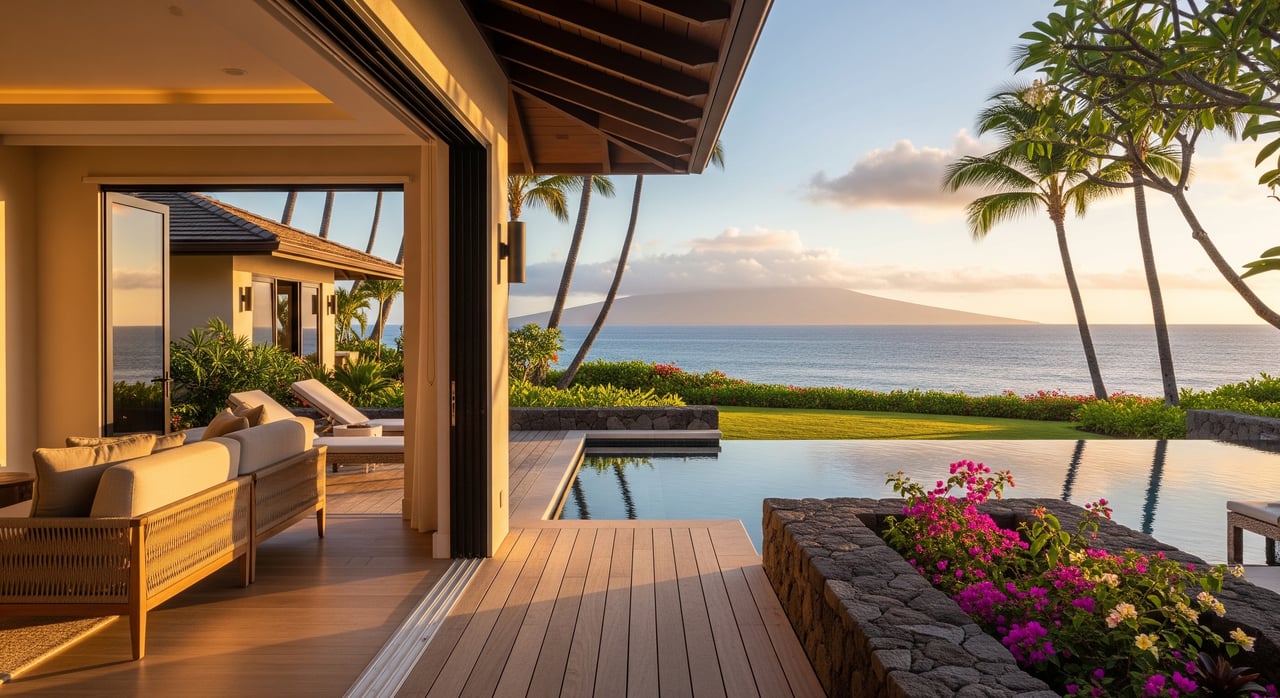
Before sunrise, the Wailea Beach Walk starts to hum. You pass calm coves, early paddleboarders, and the glow of resort lights fading into day. If you’re picturing a life where mornings begin by the ocean and afternoons drift between golf, a café run, and sunset on the sand, you’re in the right place. This guide gives you a clear look at daily life, housing choices, seasons, and practical realities so you can decide if Wailea fits your second‑home goals. Let’s dive in.
Daily life in Wailea
Beaches and the boardwalk
The coastline is the star. Wailea Beach, Ulua Beach, Mokapu, Polo Beach, and nearby Keawakapu line up like a necklace, all connected by the Wailea Beach Walk. You can stroll from cove to cove, stop for coffee, and watch sea life in the clear morning light. Daytime and early evening bring more visitors, especially near the resorts, while residential pockets a bit inland feel quieter.
On the water
You’ll swim and snorkel in protected coves on calmer days, with stand‑up paddleboarding common most mornings. South shores tend to be calmer in winter compared with the north shore, while summer brings more consistent south swells. Reef protection is a community priority, and state law prohibits certain reef‑harmful sunscreen ingredients, so pack reef‑safe options.
Golf, tennis, and wellness
If golf is your rhythm, the Wailea Golf Club’s championship courses are a major draw. Tennis, fitness centers, and full‑service spas are readily available through resorts and local clubs, often with membership or day‑pass options. Many second‑home owners build a routine around morning play, a spa visit, or a quick workout before sunset.
Dining and shopping
Dining leans resort‑forward, with fine dining and hotel restaurants along the coast plus casual cafés. For everyday shopping and groceries, you’ll make short trips to nearby Kihei, with larger stock‑up runs in Kahului. Many part‑time residents supplement with delivery services or plan a bulk shop when flying in.
Entertainment and events
Wailea hosts notable events, including the Maui Film Festival and resort‑led cultural programming. Island‑wide events often gravitate to Wailea’s venues. Expect a livelier scene during holidays and summer, and more room to breathe in the quieter shoulder months.
Where you might live
Condo and resort residence living
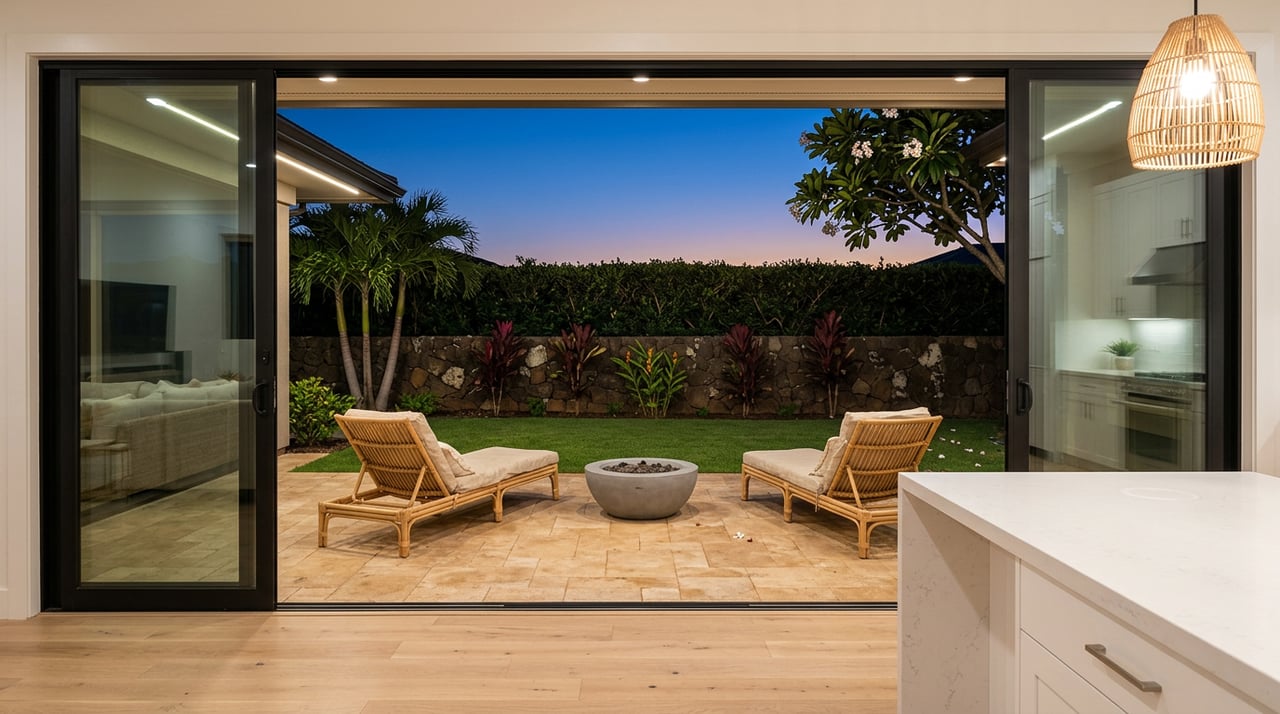
High‑end condos and resort residences offer amenity‑rich, low‑maintenance living with pools, manicured grounds, and often concierge‑style services. These communities are ideal if you want a lock‑and‑leave setup. Expect shared spaces, HOA rules, and guest traffic if the complex allows short‑term rentals. Management companies are common for housekeeping, maintenance, and regulatory compliance.
Single‑family homes and estates
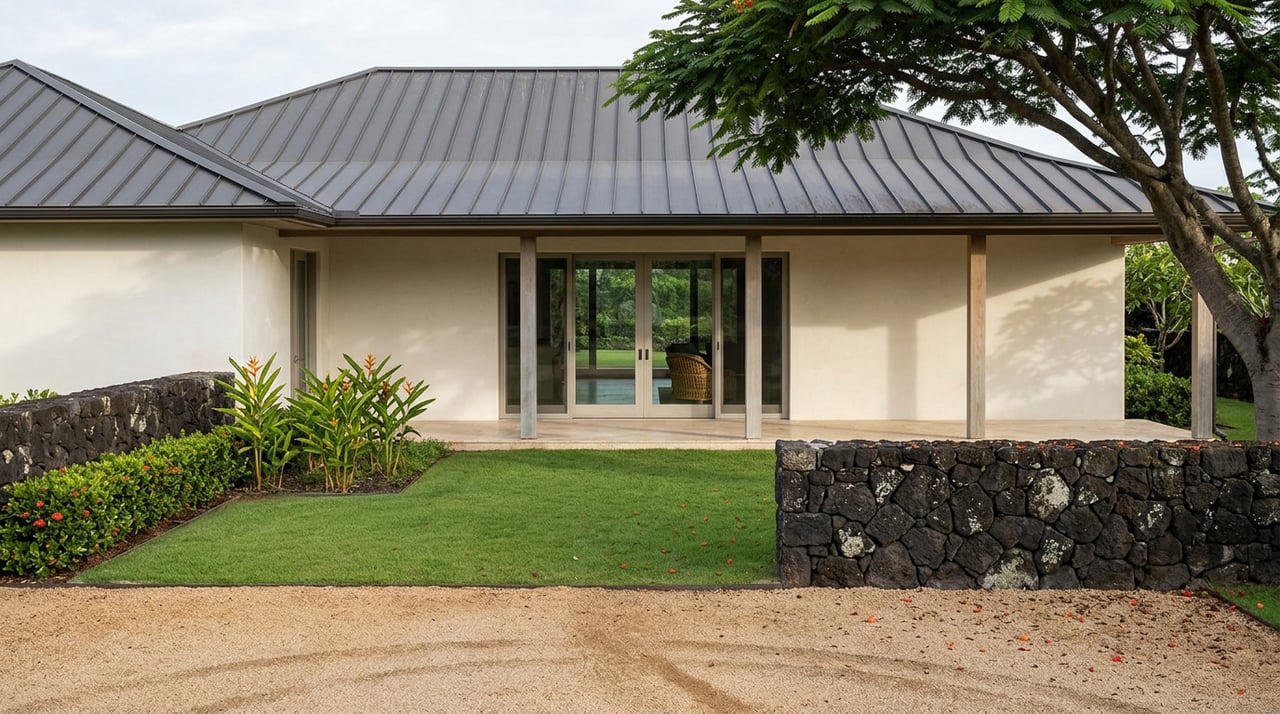
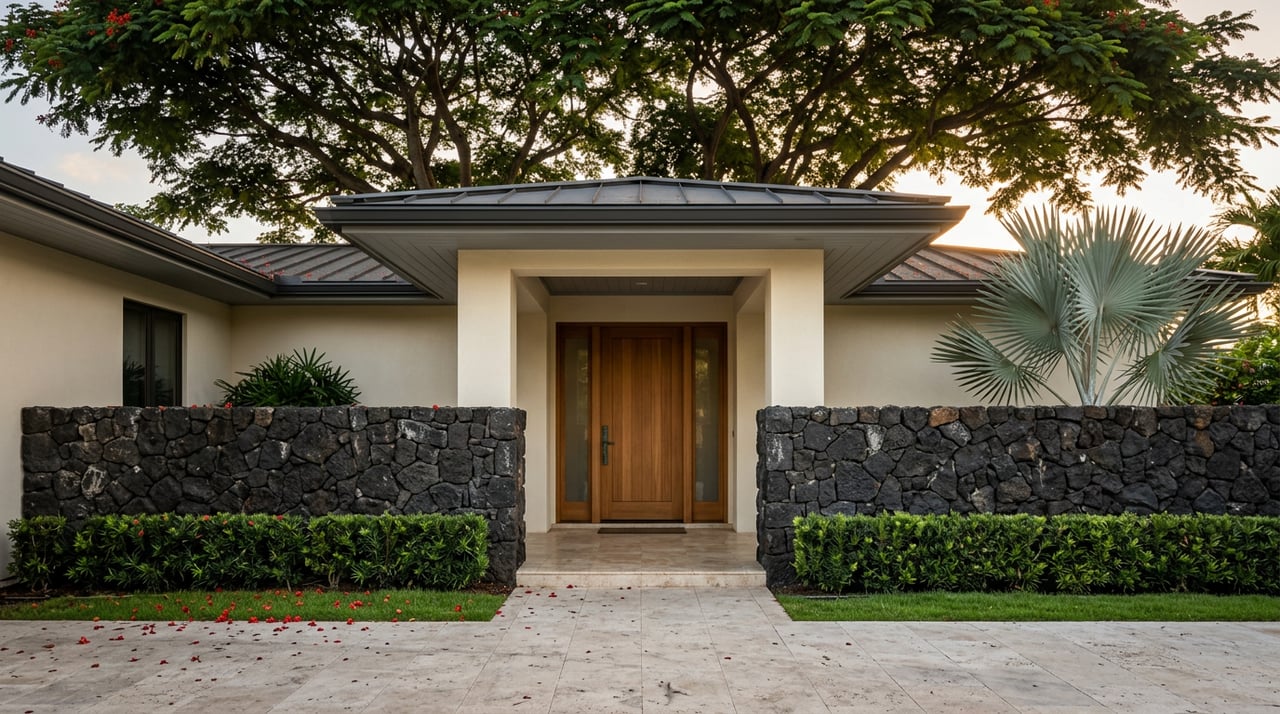
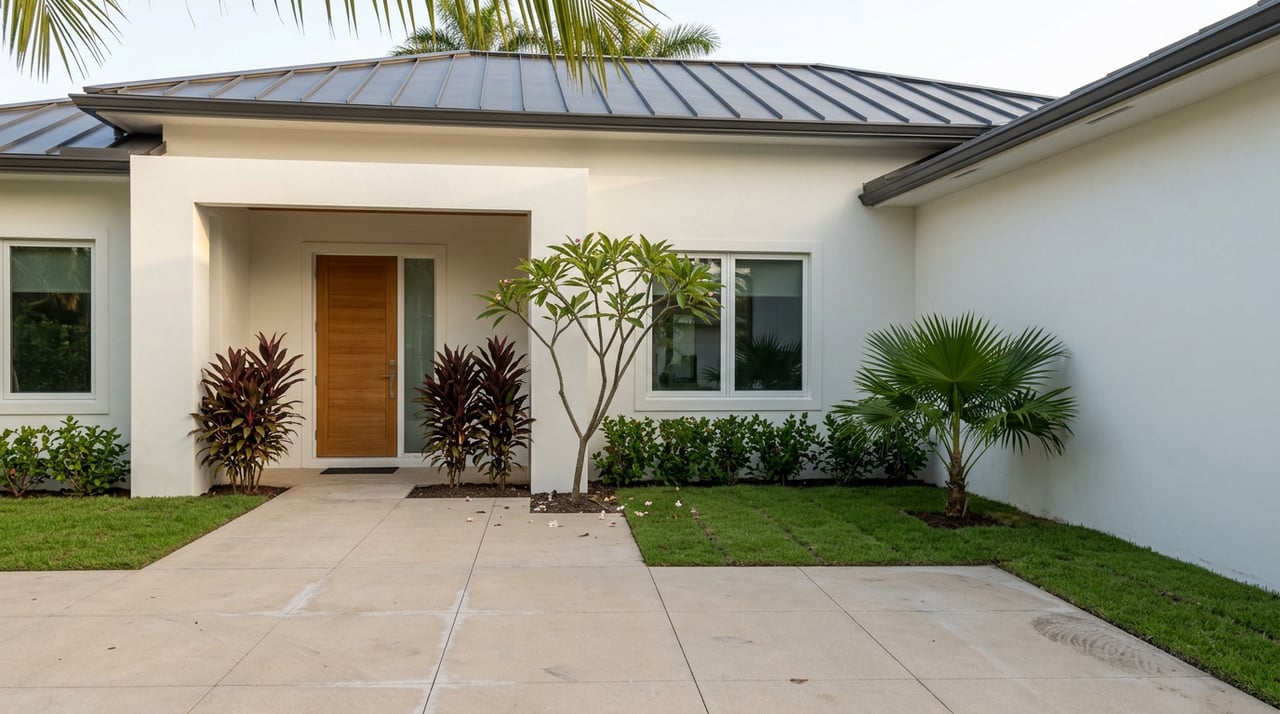
Luxury single‑family homes provide privacy, space, and a more residential neighborhood feel, especially farther from the resort corridor or toward Makena. The tradeoff is higher hands‑on maintenance and landscaping needs. Many owners hire local property managers to keep things running smoothly when they are off island.
Costs to plan for
Budget for recurring expenses that reflect resort‑area living:
- HOA or condo maintenance fees that often cover landscaping, pools, exterior insurance, and some utilities.
- Property management and housekeeping, especially for part‑time owners.
- Utilities, water, and landscaping if you own a home.
- Insurance, with potential adjustments for wind, hurricane, or flood coverage depending on location.
Wailea inventory is part of Maui’s luxury market and tends to command premium pricing. Availability can be tight in desirable complexes. For current numbers, review recent sales and market reports through local sources before you commit.
Seasons, crowds, and timing
When it is busiest
High season typically runs from mid‑December through March, driven by winter escape travel and spring break. You’ll also see busy periods in summer when families and mainland vacationers arrive. Expect fuller beaches, packed restaurant reservations, and more traffic during these windows.
Shoulder seasons to savor
Spring after spring break and fall often bring quieter days and easier reservations. Many second‑home owners plan extended stays in these shoulder months to enjoy the same coastline with fewer crowds.
Rental demand rhythms
If you plan to rent when you are away, your demand and nightly rates can follow these seasonal patterns. Rules and permits matter here, so understand your building’s policies and county requirements before you set expectations.
Practical realities to know
Getting here and around
Kahului Airport is the island’s main gateway, about a 25 to 45 minute drive from Wailea depending on traffic and time of day. Most residents keep a car for errands and island exploring. The Maui Bus runs along main corridors, but service can be limited if you rely on frequent trips.
Groceries, services, and everyday needs
Kihei is your quick stop for groceries, pharmacies, and basic services. You can find boutiques and galleries within Wailea, but everyday shopping often means a short drive. Many second‑home owners coordinate deliveries or stock up when they arrive.
Healthcare and safety
Primary hospital care is centered at Maui Memorial Medical Center in Kahului. Urgent care and primary‑care offices are available in Kihei and nearby communities. For serious emergencies or specialized care, air transport off island may be needed.
Short‑term rental rules and taxes
Short‑term rentals are regulated by Maui County, with zoning and permitting that vary by property type and location. Some Wailea areas are zoned for visitor use, while others are not, and enforcement can change. If you expect rental income, confirm county rules and your HOA or condo bylaws before you buy. For taxes, Hawaii assesses General Excise Tax and Transient Accommodations Tax on short stays, along with federal income tax obligations. Register and remit properly, and consult a tax professional.
Insurance and natural hazards
Obtain insurance quotes early in the purchase process, especially for coastal properties. Understand your home’s position relative to FEMA flood zones and local tsunami evacuation areas. Hurricane season runs June through November, and occasional high surf events can impact the shoreline. Statewide siren systems and local advisories help with preparedness.
Internet and utilities
South Maui’s luxury developments generally have reliable high‑speed internet, but service can vary by building. County water serves most of the area, and specific parcels may have unique irrigation arrangements. Verify any property‑specific details during due diligence.
Schools and family logistics
Public schools serving South Maui are part of the Hawaii State Department of Education, and assignments depend on your address. Private school options exist on Maui with varying enrollment timelines and commute considerations. Confirm availability and travel times if schools are part of your decision.
The tradeoffs of resort living
What you will likely love:
- Beautiful beaches, ocean access, and a coastal boardwalk you can use daily.
- Golf, tennis, spas, and resort amenities at your fingertips.
- Quiet, secure communities with professional maintenance and services.
What to plan around:
- Visitor presence that peaks during holidays and summer, with more crowding and noise near resort hubs.
- Higher cost of living and imported goods compared with many mainland markets.
- HOA rules that may limit personalization in condo communities.
Living in Wailea also means embracing island culture. Local customs, Hawaiian language and place names, and stewardship of the ‘aina shape everyday life. Small choices like reef‑safe sunscreen and respectful use of public access paths matter.
Is Wailea a fit for you?
You will thrive in Wailea if you want a beach‑first routine, quick access to golf and wellness, and the ease of amenity‑rich communities. It is a strong match for part‑time owners who value lock‑and‑leave convenience and do not mind sharing public spaces with visitors.
If you prefer a quieter residential vibe year‑round, focus on single‑family neighborhoods set back from resort corridors. Plan for maintenance and management support so you can enjoy longer, more relaxed stays.
Ready to explore your options? Your next steps are simple:
- Visit during a shoulder season to sample day‑to‑day rhythms.
- Confirm short‑term rental rules and HOA policies for any community you are considering.
- Get insurance quotes early, and verify utilities and internet for your lifestyle needs.
- Review recent market data and inventory with a local expert.
If you want insight tailored to your goals, connect with Jason Gilbert. You will get neighborhood‑level guidance, clear next steps, and a plan that aligns with how you want to live on Maui.
FAQs
What is daily life like for a Wailea second‑home owner?
- Mornings often start with a beach walk or swim, afternoons shift to golf or remote work, and evenings wrap with sunset at the beach or a resort restaurant, with busier energy during peak seasons.
How crowded are Wailea beaches in winter and summer?
- Mid‑December through March and summer tend to be the busiest, with fuller beaches and restaurants, while spring after spring break and fall are typically quieter shoulder seasons.
Can you rent a Wailea property short term?
- Many Wailea areas allow vacation rentals, but Maui County permits, zoning rules, and condominium or HOA restrictions apply, so confirm current regulations before you buy or advertise.
What ongoing costs should you expect in Wailea?
- Plan for HOA or condo fees, property management and housekeeping, utilities and landscaping, and insurance that reflects coastal risks such as wind, hurricane, and potential flood coverage.
How far is Wailea from the airport and medical care?
- Wailea is about 25 to 45 minutes from Kahului Airport depending on traffic, with primary hospital care at Maui Memorial Medical Center in Kahului and urgent care options in nearby Kihei.